
Last updated November 15, 2026
 Whole-home duct cleaning
 Dryer vent cleaning
 Camera inspection
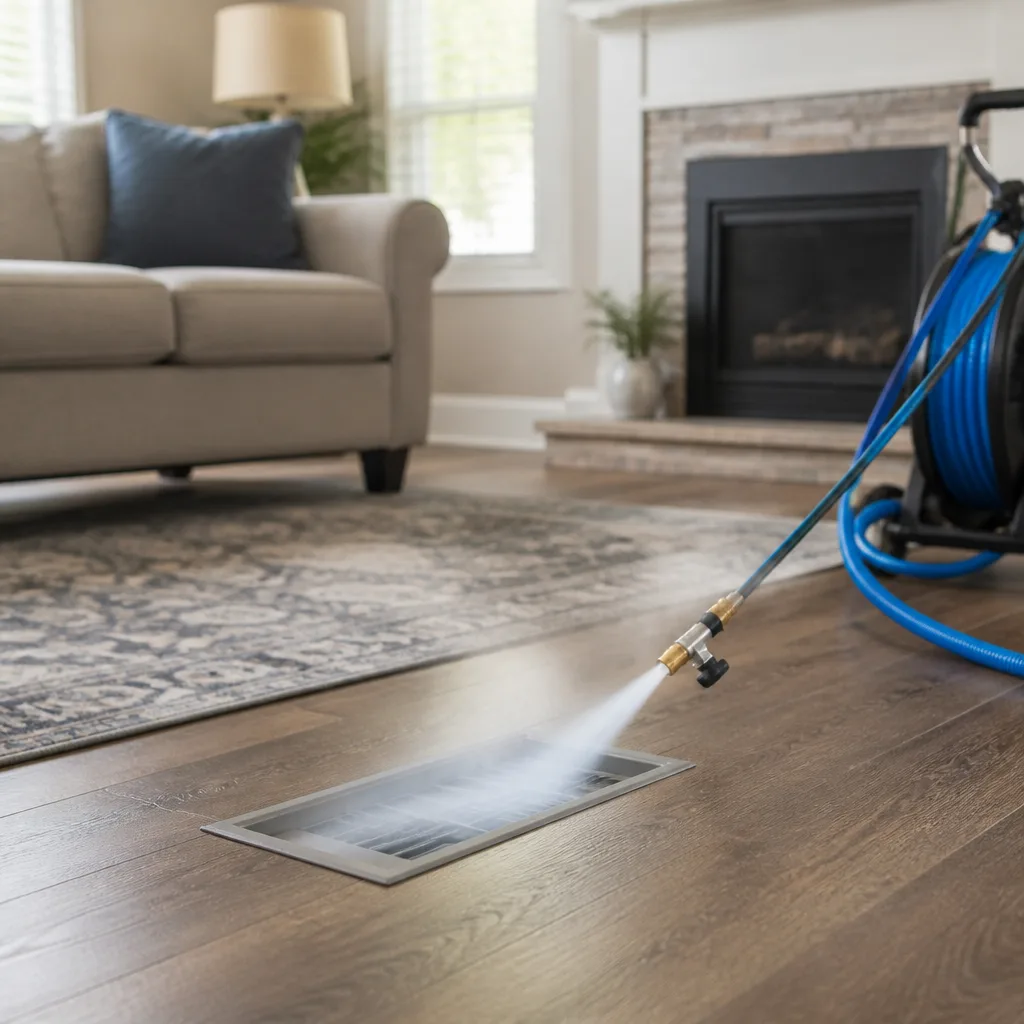 Sanitizing & deodorizing
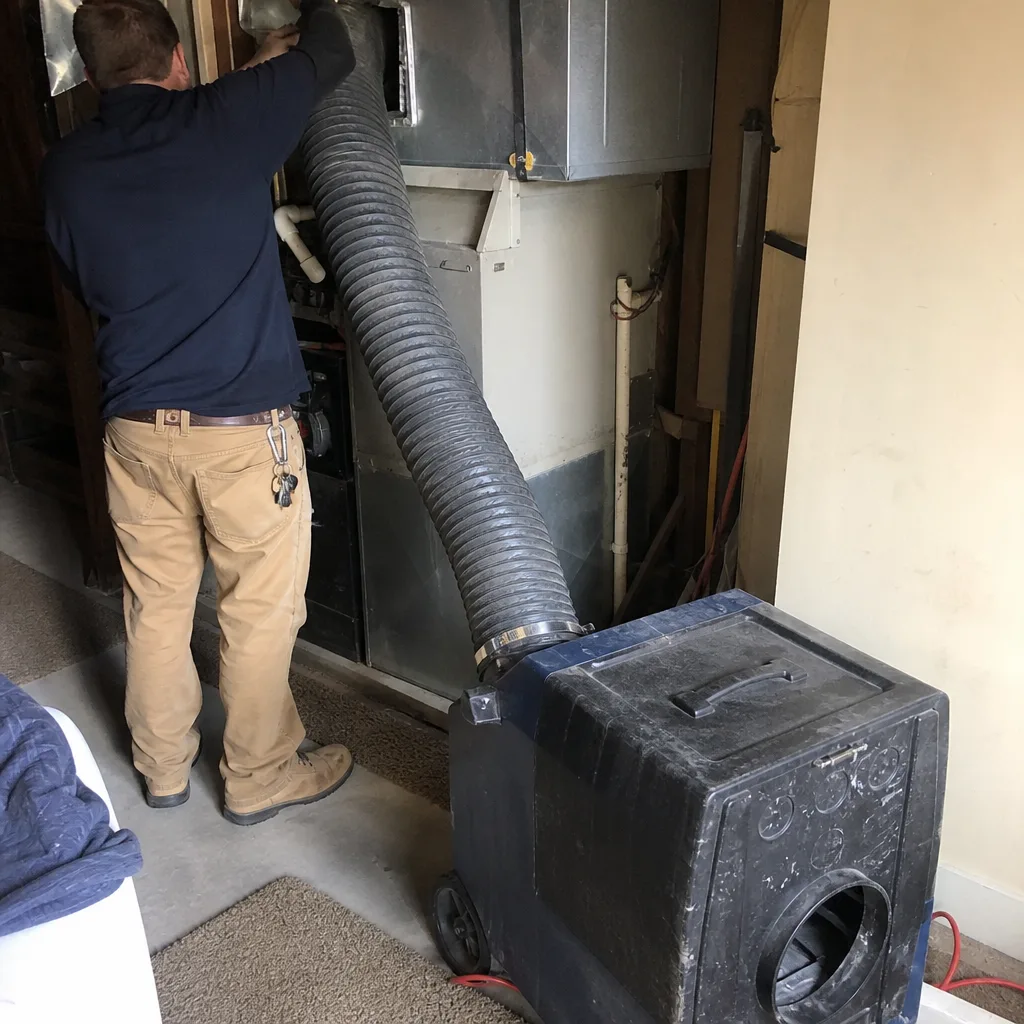
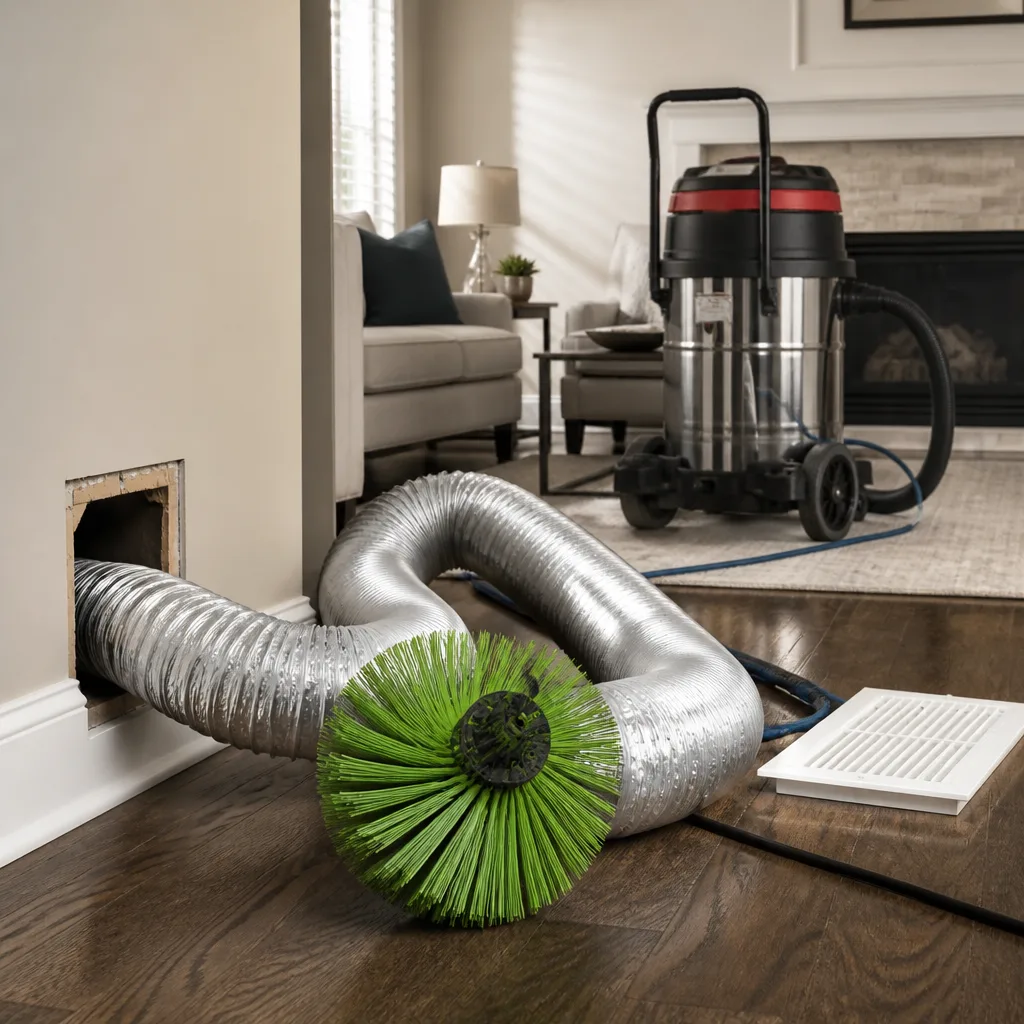
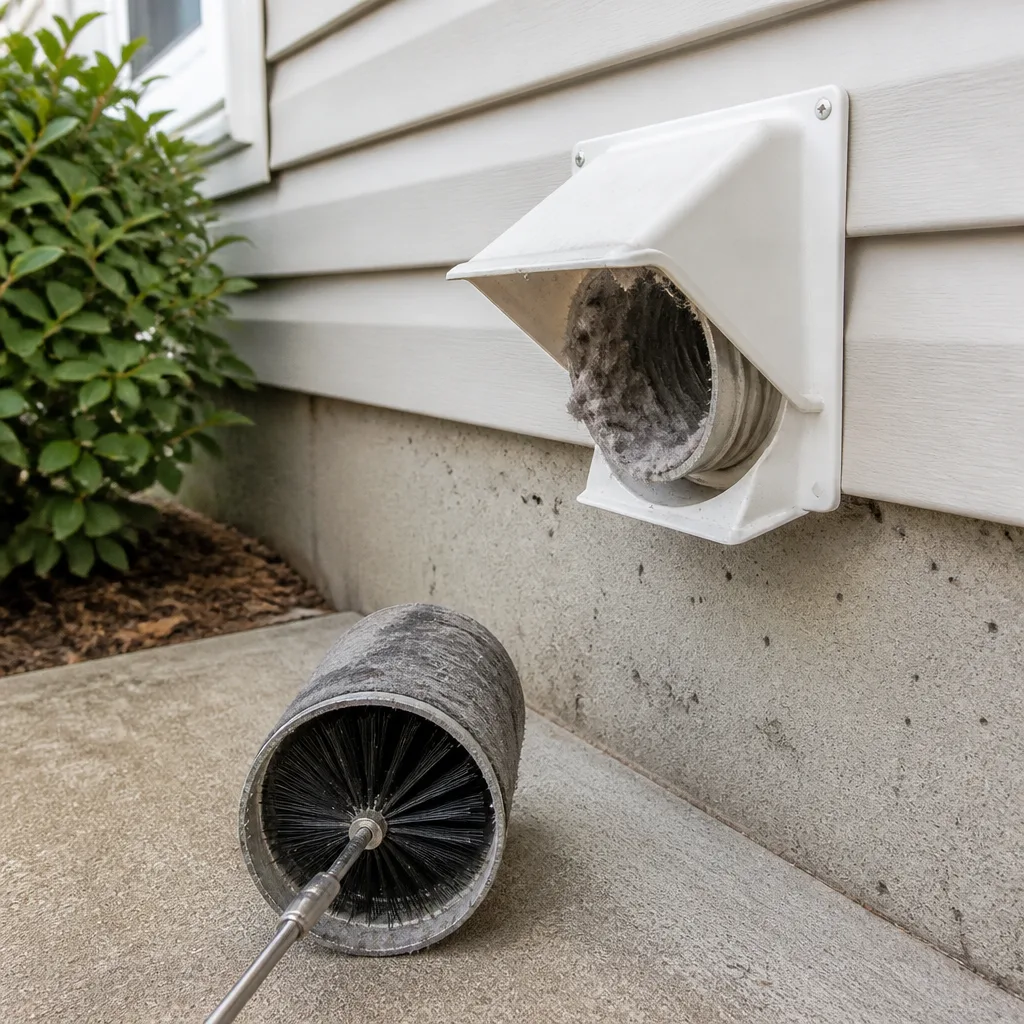
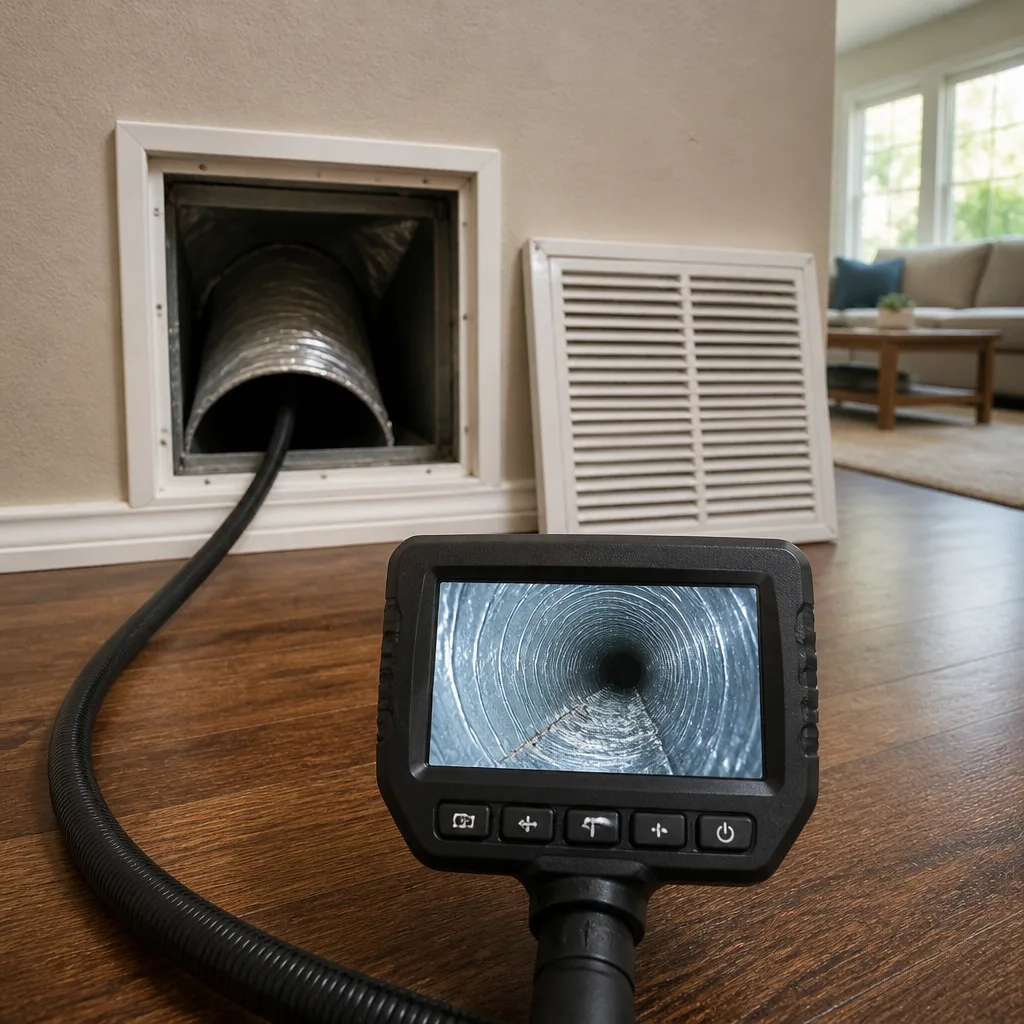
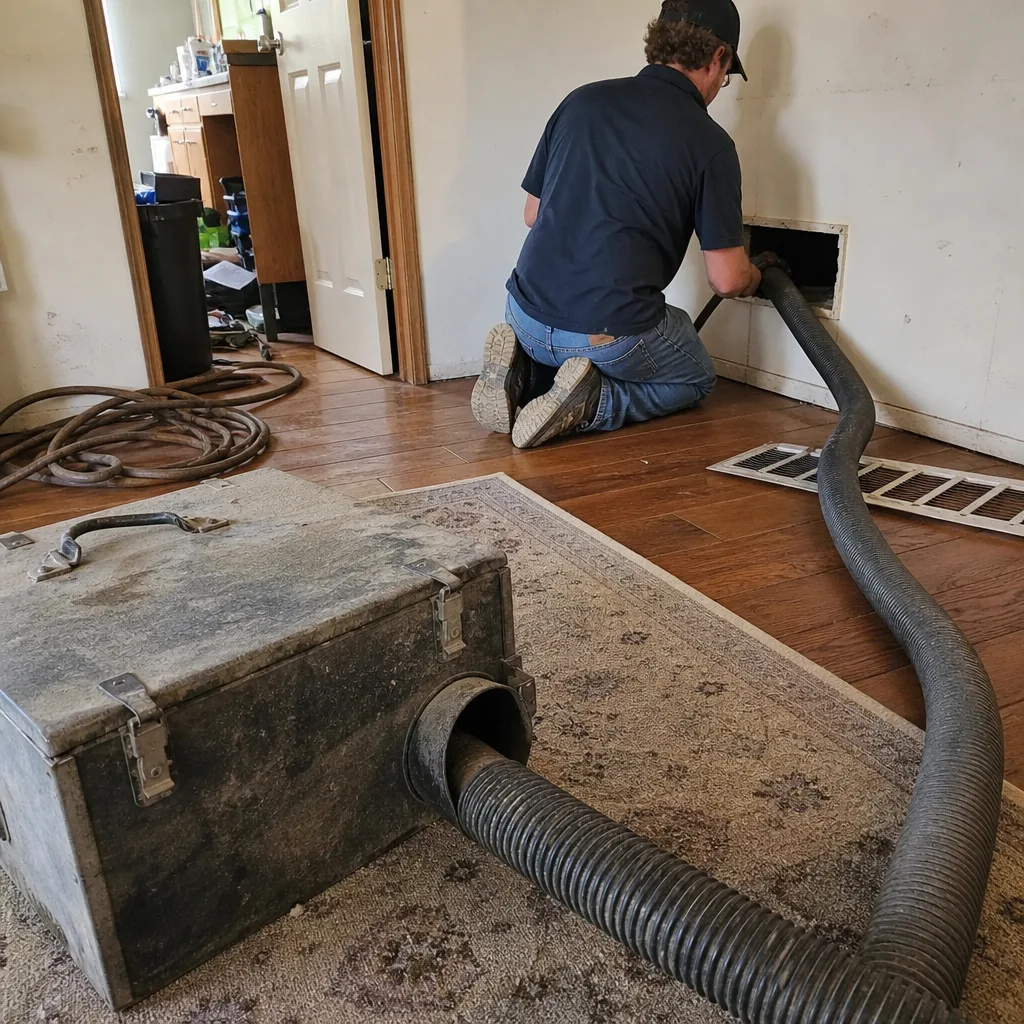
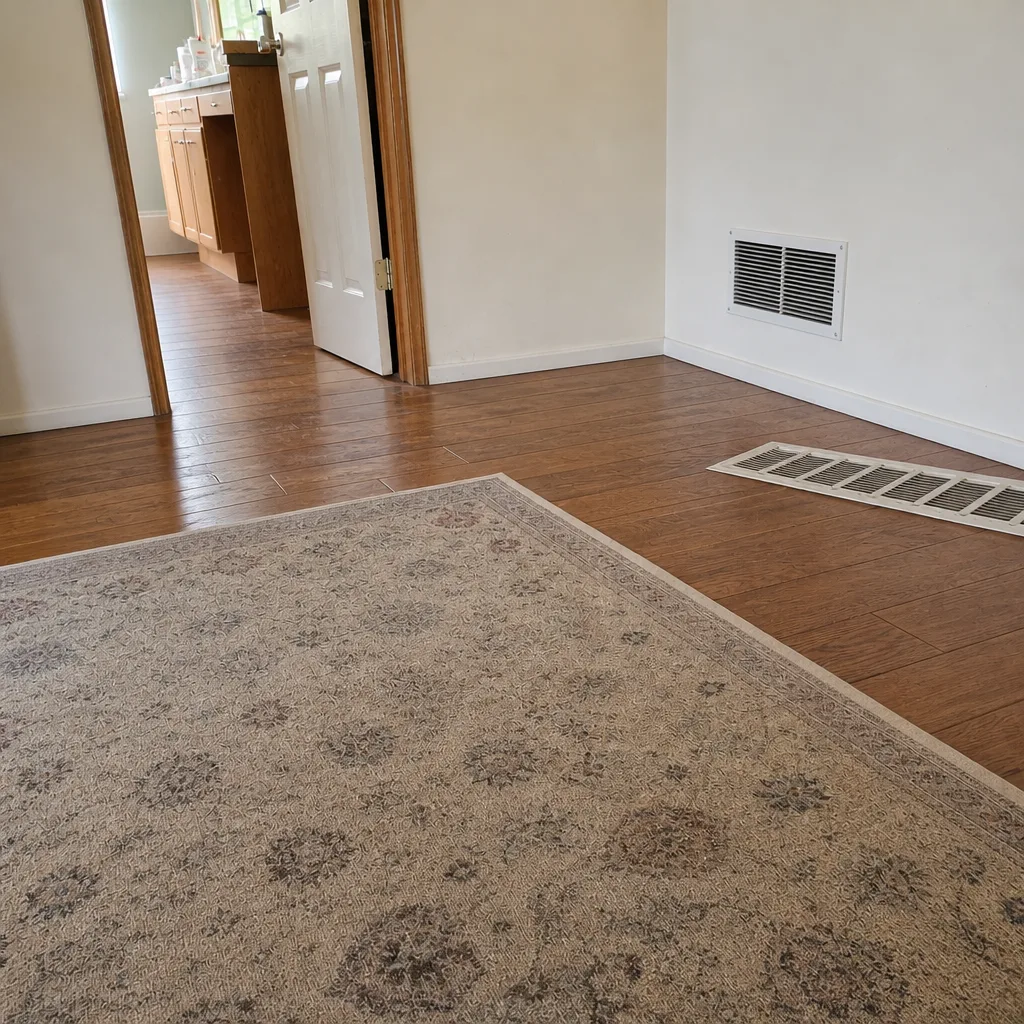
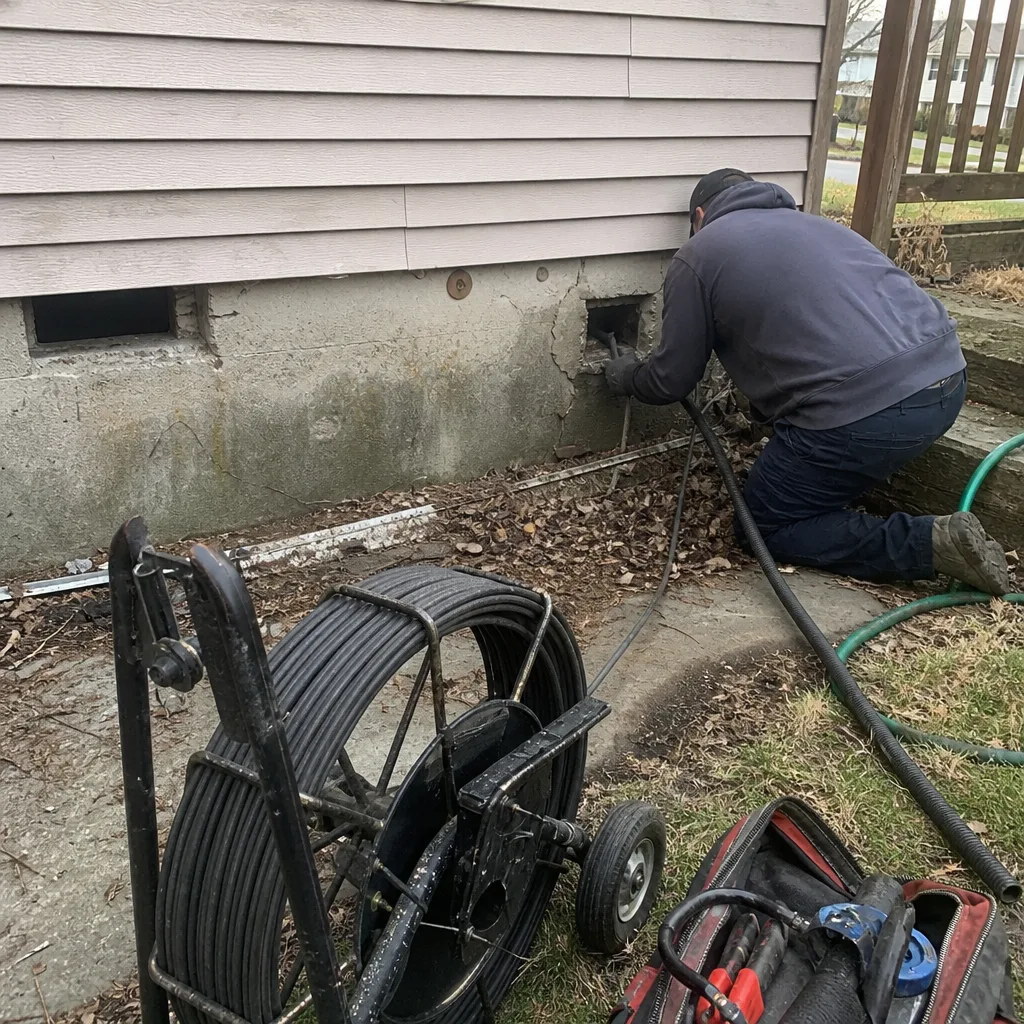
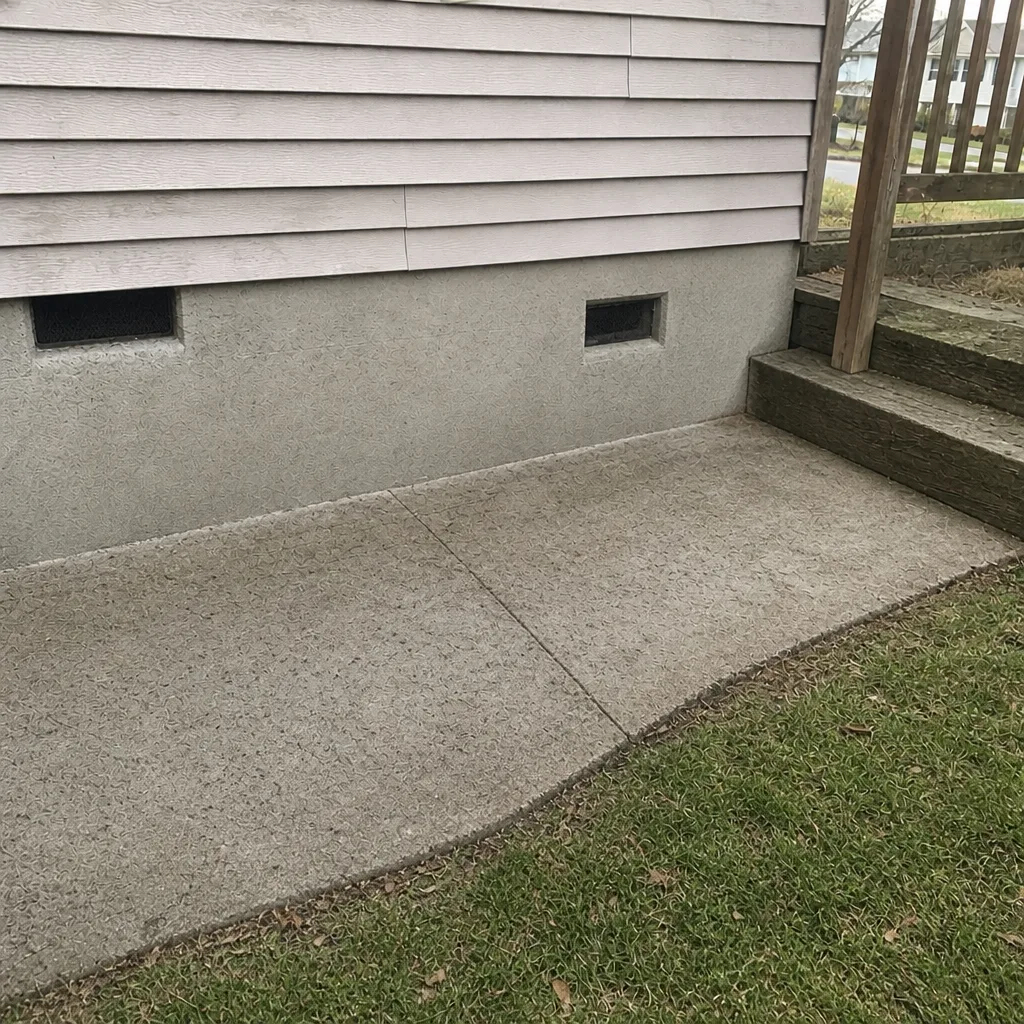
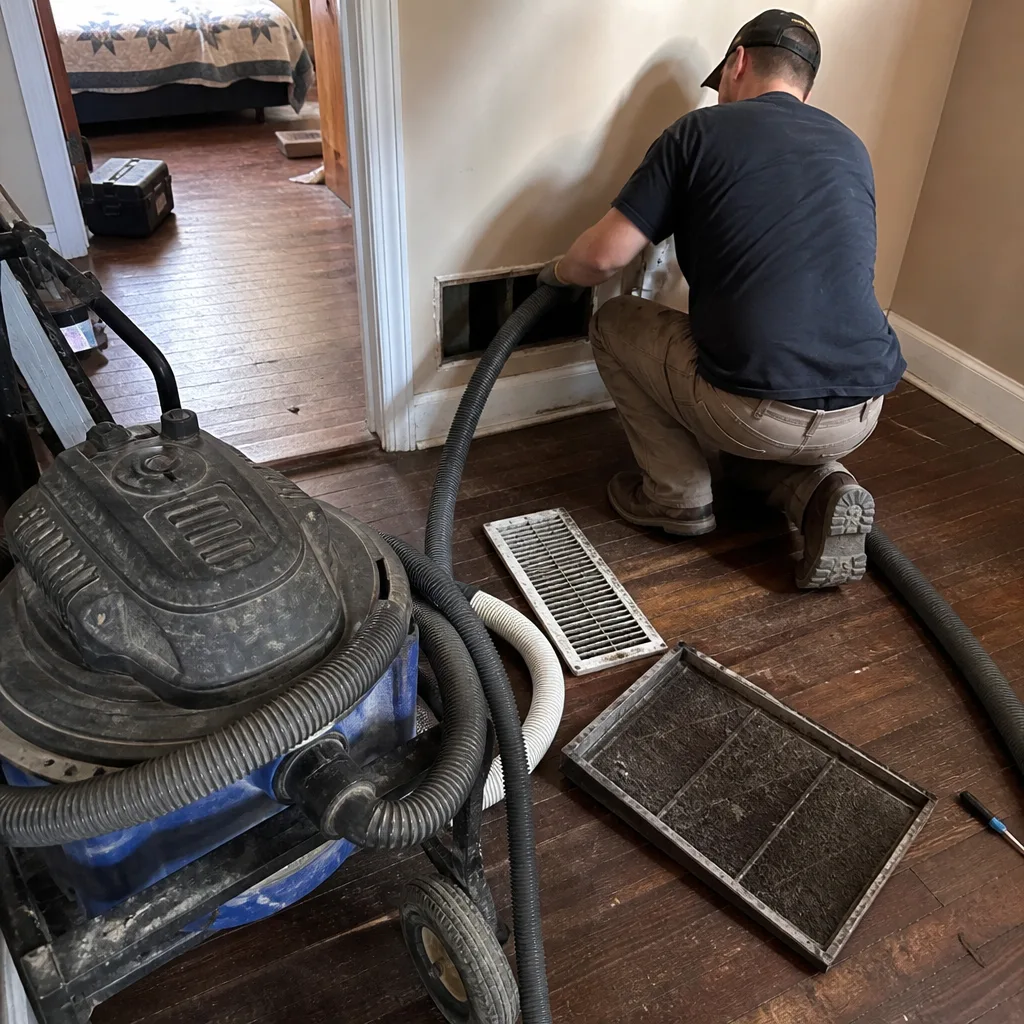
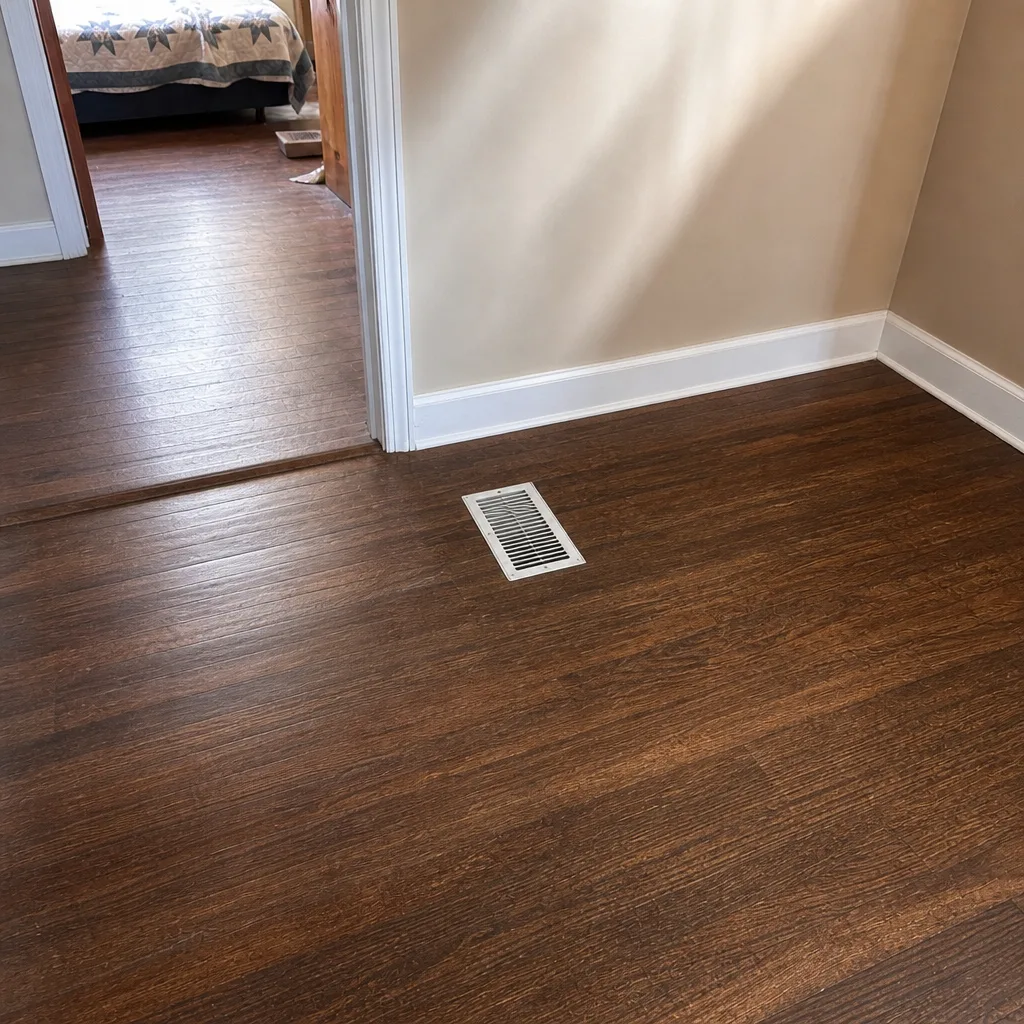
Whole-system duct and dryer vent check with before-and-after photos - you see exactly what came out of your vents
That "$99 whole-house special" is a bait ad - the real number appears once they are in your hallway, or the "clean" is a shop-vac at the register. We photograph the inside of your ducts before and after instead.
Air Duct Cleaning Emergency Preparedness Guide for Evansville Homes
Most homeowners think about their ductwork after the fact. The storm passes, the power comes back, the furnace kicks on, and life returns to normal. That order is the problem. After a tornado passes within a couple of miles of your house, the pressure differential alone can pull exterior debris and insulation particles into the duct system through unsealed penetrations. Running the HVAC before you’ve dealt with that means the first thing your system does is distribute it through every room. This guide covers what to check, what to document, and what to do before you restart anything, written with Evansville’s particular mix of tornado, flood, and ice-storm risk in mind.
Quick Answer
After a severe weather event in Evansville, don’t restart your HVAC until you’ve inspected accessible duct runs for debris, moisture, and disconnected joints. If floodwater entered the duct system, a standard cleaning isn’t enough and the job falls into remediation scope. Document everything with photos and notes before any work begins, and get a professional inspection if you see water, insulation intrusion, or separated flex duct.
Styles & brands we work with
- Whole-home duct cleaning
- Dryer vent cleaning
- Camera inspection
- Sanitizing & deodorizing
Table of Contents
- Post-Tornado Protocol: Assessing Duct Integrity Before You Restart
- Flood Events and Duct Systems: When Cleaning Isn’t Enough
- Ice Storm Power Restoration: The First Restart
- Documenting Duct Damage for Insurance Claims
- Building a Duct and HVAC Emergency Kit
- The Step-by-Step Post-Storm Inspection Walkthrough
- Repair or Replace? Deciding After a Major Event
- When Professional Restoration Is the Only Safe Option
Post-Tornado Protocol: Assessing Duct Integrity Before You Restart
Tornado damage in Evansville doesn’t have to reach your roof to compromise your ductwork. The pressure change alone can create a low-grade vacuum inside the building envelope, and unsealed penetrations become intake points. That’s how exterior insulation fibers and attic dust end up inside supply runs without a single visible hole in your ceiling.
The first thing to understand is where your ducts actually live. In many Evansville homes, that means a mix of attic flex runs and crawlspace trunk lines, especially in neighborhoods with older housing stock where systems were retrofitted over time. Each location has different failure patterns.
What to look for in attic flex runs:
- Visibly collapsed or kinked flex duct where insulation has shifted or the run has slumped.
- Separated collars at the plenum, boot, or register connections.
- Outer vapor barrier torn or missing, exposing the inner liner to attic air.
- Insulation fibers collected in a visible mound anywhere near a duct joint.
- Compressed insulation around the run, which can indicate pressure excursion.
What to look for in crawlspace connections:
- Trunk line joints that have separated from their supports.
- Moisture or standing water where none existed before.
- Insulation wrap coming loose from the trunk.
- Pest intrusion through new gaps.
If you see any of the above, don’t turn the system on. The right sequence is inspect, document, then call a specialist. Our air duct cleaning team walks through this exact assessment as a professional matter of routine, but homeowners can catch the obvious issues first. The important thing is not to run the blower and spread what’s already inside.
Flood Events and Duct Systems: When Cleaning Isn’t Enough
Flooded ductwork is not the same problem as dusty ductwork. This is where a lot of post-flood advice goes wrong: homeowners call for a standard cleaning and are told a cleaning will fix it. It won’t.
The distinction is simple. A standard cleaning removes accumulated dust, debris, and biological buildup from a dry system. Flood-intruded ductwork has a different problem: standing or moving water has entered the interior of the duct, and the porous materials lining it (internal liner, insulation wrap, fiberglass board) have absorbed that water. Cleaning the surface of a soaked liner leaves the contaminants in place.
In our experience, the trigger point is water that reached the supply or return registers, not just water on the floor. Any of the following means the system falls into remediation scope, not standard cleaning:
- Visible water in a register boot or return chase.
- Waterlines on interior duct surfaces or insulation wrap.
- Musty odor from supply registers immediately after the water receded.
- Silt or mud in the plenum or on the air handler enclosure.
- Floodwater that reached the air handler or evaporator coil housing.
What “remediation scope” actually means: containment, negative air pressure, HEPA filtration, removal of contaminated porous material where cleaning isn’t sufficient, and verification that the system is dry before restart. This is the class of work our technicians handle using Abatement Technologies containment equipment, the same grade of negative-air and HEPA setup that professional remediation work relies on. Evansville homes that took on water in the crawlspace need that level of care, not a shop vac and a hose.
Evansville’s flood exposure doesn’t require a named disaster to matter. Heavy summer storms, backed-up storm drains, and rising creek levels can all push water into a crawlspace within hours. If water reached the duct system, treat the job as a remediation from the start.
Ice Storm Power Restoration: The First Restart
An ice storm doesn’t have to damage your ducts to compromise your indoor air. The risk during the outage itself is minimal. The risk on the first restart after power returns is the one most homeowners never think about.
Here’s what happens. During an extended outage, the airflow through the system stops, but the dust doesn’t. Settled particulate in every duct run stays in place, and the humidity inside the system stays at whatever level the house is at. When the power comes back and the blower fires up, that settled layer gets mobilized at full velocity and pushed into every room within minutes. If any of it has adhered to moisture from a cold, damp house, you get a fine spray of it.
The practical protocol is this:
- Wait for the house to reach normal indoor temperature before running the HVAC.
- Replace the filter before the first restart, not after.
- Run the fan continuously for a few hours on low if your system allows it, then check the filter again.
- If the air smells stale or musty after two or three cycles, the duct system needs professional attention.
- If you lost heat during the outage and the house got very cold, check for condensation on metal ductwork in the attic or crawlspace.
The first restart isn’t a “let’s see what happens” moment. It’s a decision point. A $15 filter and ten minutes of inspection prevent the alternative: pulling two winters of accumulated dust through every bedroom in the house. Evansville winters produce enough ice events that this is a protocol worth writing on the inside of the furnace closet door.
Documenting Duct Damage for Insurance Claims
Adjusters process claims based on documentation, not on description. If you call your insurance company after a weather event and say “my ducts got wet,” that claim goes nowhere without evidence. What you often get is coverage for the water damage itself but a fight over the duct system, because the adjuster has no way to see what you saw.
Here’s what adjusters actually need:
- Dated photos with context. Not just a close-up of water in a register, but a shot that shows the register, the room, and the waterline.
- A written description with locations. “Water intrusion into the crawlspace trunk line, approximately 8 inches above the floor at the west end of the house” is usable. “Ducts got wet” is not.
- Photos before and after any temporary measures. If you pulled wet insulation out to let the space dry, photograph it in place first.
- A professional assessment letter. A document from an air duct cleaning or remediation specialist describing the scope of work required is what turns your description into a claim line item.
- Filter photos. A filter pulled from the system after water intrusion tells a story no description can.
Evansville Duct Cleaning provides written documentation of findings with our free estimate, which is what most adjusters want to see. What you don’t get from us is a guess or an inflated report. The documentation describes what’s in the system, not what we think should be there.
The one thing to avoid: discarding any wet material before it’s documented. It’s natural to want to clean up quickly after water intrusion. Photograph first, then clean.
Building a Duct and HVAC Emergency Kit
A general household emergency kit is standard. A duct and HVAC-specific kit for Evansville homes is what most people miss, and it’s what makes the difference between a quick diagnostic start and a panicked call the morning after.
Here’s what belongs in the kit:
- Spare filters, sized to your system. Two or three, stored dry and flat. Filter shortages are common after a regional weather event, and you don’t want to be running a compromised system on a dirty filter while you hunt for a replacement.
- Zip ties. Flex duct collars and insulation wraps are held together by zip ties in many installations. A handful of 14-inch and 20-inch ties cover most runs.
- Foil tape. Not duct tape. Foil tape seals duct joints properly and holds up to pressure and temperature where duct tape fails.
- A bright flashlight with fresh batteries. Crawlspace and attic inspection requires real light, not a phone screen.
- Nitrile gloves and a simple dust mask. For the initial inspection walk, before you know what’s in the system.
- A permanent marker and notebook. For notes and photograph captions.
- A basic digital camera or a phone with the photo grid turned on. For documenting what you find before anything is touched.
The flashlight protocol itself is worth writing down. Crawlspace first, because water shows up there first. Then attic runs, working backward from the air handler. Then registers, room by room. Take a photo at each stop, even if the stop looks clean. A record of “no issues found” is as useful to an adjuster as a record of damage.
One kit footnote for dryer vent safety: after any weather event, check the exterior dryer vent flap for blockage from debris or displaced insulation. Dryer vents are the leading appliance fire risk in U.S. homes, and post-storm debris is one of the less obvious ways they get obstructed. We treat that as a standalone safety service at dryer vent cleaning.
The Step-by-Step Post-Storm Inspection Walkthrough
This is the numbered protocol we recommend following after any tornado, flood, or major ice event in Evansville. Each step takes minutes, and together they form a complete picture of whether the system is safe to restart.
- Turn the system off at the thermostat and the breaker. No exceptions. Running a blower through unknown contamination is the mistake that turns a salvageable situation into a full-scale cleanup.
- Inspect from the outside in. Walk the exterior and check the fresh air intake, the dryer vent flap, and any exterior duct terminations. If you see storm debris, insulation, or standing water at any of those points, note it before going inside.
- Open the air handler closet and look for water. Waterlines on the plenum, moisture in the insulation wrap, or visible rust on the cabinet all indicate the system took on water.
- Crawlspace next, attic second, registers third. Water finds the lowest point, so the crawlspace tells the earliest part of the story. The attic tells the roof-ventilation and pressure-side story. Registers tell you what made it all the way through.
- Check filter condition before moving up the site. A wet or heavily loaded filter tells you about what’s in the system before you’ve opened a single duct run.
- Photograph everything, then write a one-page summary. What you found, where, and when. Date it.
- Make the restart decision. If nothing is wet, nothing is visibly damaged, and nothing smells off, restart with a clean filter. If any of those three “ifs” fail, call a professional.
This is the same essential walkthrough our technicians do on a professional assessment, though the professional version adds duct cam inspection, airflow measurement, and containment-level evaluation of interior surfaces. Our technicians have up to 14 years of experience reading these systems, including the specific failure patterns we see in Evansville after spring tornado season and winter ice events.
Repair or Replace? Deciding After a Major Event
The worst-case scenario isn’t a damaged duct. It’s a damaged duct that gets patched and left running, spreading the original problem through the whole system. The repair-or-replace decision after a major event is about two things: how much of the system is affected, and whether the interior surface can be restored.
Repair is usually the right call when:
- Damage is isolated to one or two accessible runs.
- The interior surface is dry and unaffected.
- Disconnections are fixable with proper sealing materials.
- The trunk line and air handler are intact.
Replacement of a section is more often the answer when:
- Flex duct insulation has absorbed water.
- Interior liner on fiberglass duct board is contaminated and cannot be cleaned.
- A trunk line has separated in multiple locations under the same support failure.
- The system has been running with compromised performance for so long that the interior buildup can’t be fully removed.
Because Evansville Duct Cleaning handles air duct repair in-house, we can make that call on site and start the repair in the same visit. No second contractor call, no coordination delay. That’s one of the reasons we’ve structured the business around three services rather than the full add-on spread of a general HVAC contractor.
Avoid the “patch and pray” pattern after an Evansville weather event. Foil tape and a new collar fix the visible problem and hide the invisible one, which is the contamination that was already pulled into the run before the disconnection was sealed. A professional inspection before the patch is the right sequence.
When Professional Restoration Is the Only Safe Option
Some situations are beyond the scope of a homeowner inspection and a well-stocked kit. Call a professional before restarting the HVAC if any of the following apply.
- Water reached the duct interior, even if the water has since receded. Interior moisture means contamination and, potentially, mold growth inside porous materials.
- You see or smell mold at supply registers, the plenum, or inside any accessible duct run.
- Insulation fibers entered the system. Torn flex duct during a pressure event is a recognized intrusion path, and once fiberglass is inside, the removal requires contained, HEPA-filtered extraction.
- The system ran after a known event. If the blower came on before inspection, contamination is now distributed throughout the system, not localized.
- Multiple air handlers or a zoned system are involved. Zoned systems spread contamination across zones through shared trunk lines and need to be evaluated as a single system.
What professional containment work looks like in a residence: sealed negative air pressure inside the work area, HEPA-filtered exhaust, and staged extraction from the furthest point back to the air handler. Rotobrush, Nikro, and Abatement Technologies equipment together cover the range of residential systems we see across Evansville, from attic-flex retrofits in older neighborhoods to newer trunk-and-branch systems. The right tool is matched to the system, not the other way around. And if the home already has Honeywell or Aprilaire filtration in place, we work with those components rather than removing them, since the whole-home air-quality equipment is often a valuable part of the solution.
For microbial concerns inside the system, Guardsman-certified treatment is available as an add-on to cleaning where the assessment calls for it. That’s not a first-line response for every job. It’s what we use when the inspection shows it’s the right step.
Common Mistakes to Avoid
- Restarting the HVAC before inspecting. The single most damaging move after any weather event. Running the blower distributes contamination before you’ve had a chance to see it.
- Assuming a standard cleaning covers flood intrusion. Interior water in the duct system changes the scope entirely. A cleaning pass on soaked liner leaves the contaminants in the porous material.
- Discarding wet material before documenting it. A photo of the wet insulation is one of the strongest pieces of evidence in a claim. Photograph first, then clean up.
- Using duct tape to seal a disconnected run. Duct tape fails under the temperature and pressure swings of a working HVAC system. Foil tape is the right material; duct tape is a temporary fix at best.
- Ignoring the dryer vent after a storm. The exterior flap can be blocked by debris and insulation from the same event that damaged the ductwork. Fire risk, not comfort.
- Running the first restart after an ice storm without a fresh filter. The filter is the last line of defense before the blower and it’s the cheapest part of the system to sacrifice.
- Relying on a shop vac for a compromised duct system. Consumer equipment accelerates dispersion, doesn’t contain it, and misses what’s inside the run behind the register.
See the difference
 Before
 After
 Before
 After
 Before
 After
When to Call a Professional
The threshold for calling a professional after an Evansville weather event is straightforward: any evidence of water intrusion, any mold or musty odor, any visible insulation fibers inside the system, or any event where the HVAC ran before inspection. If you’re not sure, the free estimate call settles it in minutes. We don’t charge to come out and look, and the assessment is what you need before you restart, not after. Our written estimate sets the price for the work, so there’s no surprise once a technician is on site. Call (833) 725-5641 for a free estimate. We answer 24/7, and fast dispatch runs 7am-7pm Sunday through Friday.
Frequently Asked Questions
No. Don’t restart the HVAC until you’ve inspected accessible duct runs and confirmed nothing was pulled in. A tornado passing nearby can create enough pressure differential to draw exterior debris and insulation particles into the system through unsealed penetrations, and running the blower distributes all of it across every room. If you’re unsure what to look for, call (833) 725-5641 for a free estimate and we’ll take a look.
If water reached the interior of the duct or the plenum, you need remediation scope, not standard cleaning. A standard cleaning removes surface dust from a dry system; it doesn’t address porous liner that has absorbed water. Remediation work includes containment, negative air pressure, HEPA filtration, and material assessment. Call (833) 725-5641 for a free estimate on scope.
Pressure events from tornadoes can compromise ductwork without any structural damage to the house. Unsealed penetrations, gaps at register boots, and disconnected flex runs become intake points during a sudden pressure shift, and fiberglass insulation fibers or attic dust can enter the system that way. Our technicians have up to 14 years of experience finding these intrusion paths.
Replace the filter before the restart, wait for indoor temperatures to normalize, and run the fan to see whether the air stays clean or turns stale after several cycles. Debris settled during an outage gets mobilized at full velocity on the first restart. A fresh filter catches the leading edge; if the air smells off after two or three cycles, call (833) 725-5641 for a professional look.
Dated photos with context, a written description with specific locations, photos of any temporary measure before it was made, and a professional assessment letter describing the required scope. A one-line description from the homeowner usually doesn’t move a claim. We provide written documentation of findings with our free estimate, which is what adjusters ask for. Call (833) 725-5641.
We provide before-and-after photographs of your own ducts, not stock images or generic photos. You see exactly what was in the system and exactly what the result looks like. One flat price per system is agreed before work starts, with no per-vent pricing. Call (833) 725-5641 for a free estimate. Evansville Duct Cleaning is licensed and insured.
Because they’re often quoting a surface pass with consumer-grade equipment, not a whole-system cleaning with professional containment. A shop vac and a hose disperses contamination rather than containing it, and the scope usually isn’t the real job. We use Rotobrush and Nikro systems and, where the assessment calls for it, Abatement Technologies containment equipment. The written estimate sets the final price. Call (833) 725-5641.
Once, if the cleaning is done correctly and the damage is addressed. The timing issue isn’t frequency, it’s sequencing: professional cleaning after remediation, then maintenance cleaning on the normal interval for the home’s dust load and filter setup. Post-event cleaning is a different job from regular maintenance and shouldn’t be treated as routine. Call (833) 725-5641 for a free estimate in Evansville.
The Bottom Line
Emergency preparedness for duct systems isn’t about stocking supplies in advance. It’s about the order of operations after the event. Inspect first, document second, restart third. If water reached the system, switch from standard cleaning to remediation scope. If the system ran before inspection, plan for a professional assessment rather than a spot fix. The kit is useful. The protocol is what protects the house. In Evansville, where tornado, flood, and ice-storm risk all converge on the same housing stock, having the protocol in writing before the next event is the single best thing a homeowner can do this season.
Call (833) 725-5641. We answer 24/7. Fast dispatch from 7am to 7pm, Sunday through Friday.
Written by the team at Evansville Duct Cleaning.