
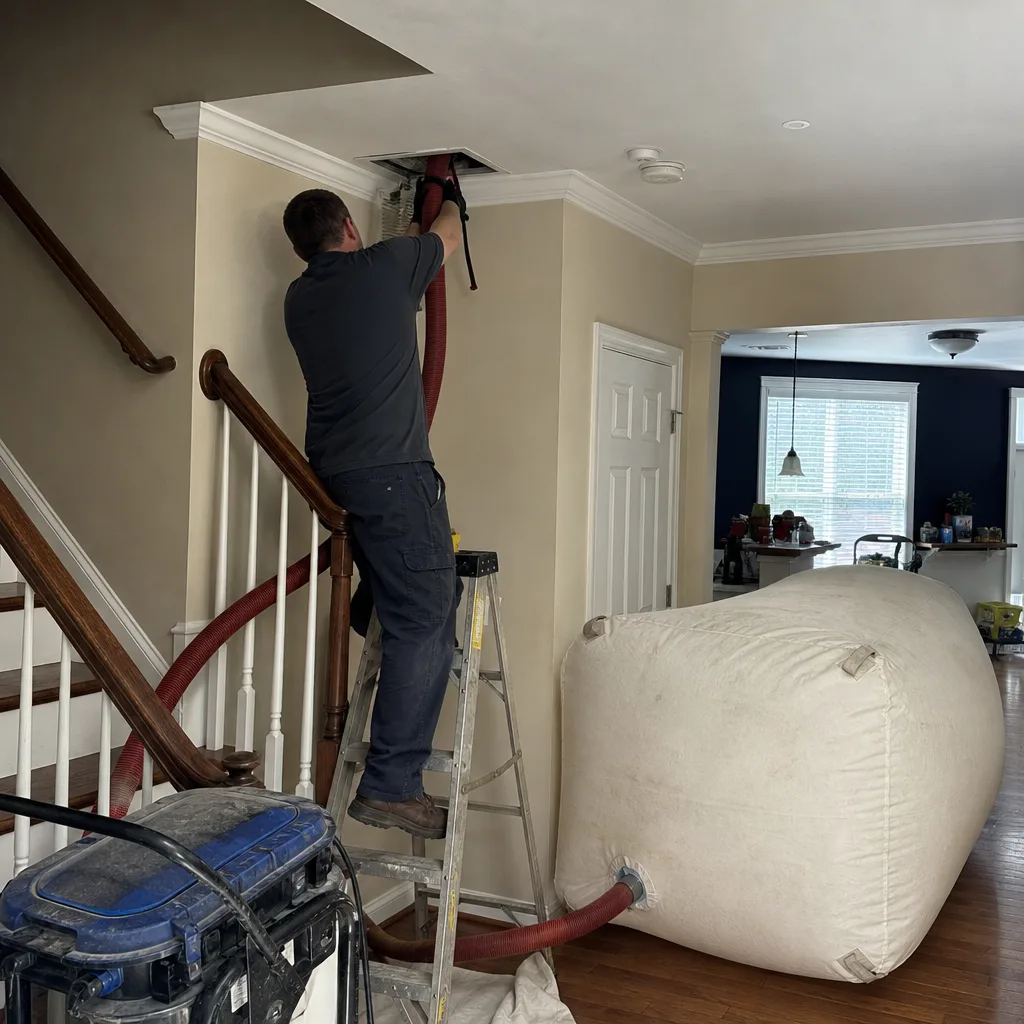
Last updated November 15, 2026
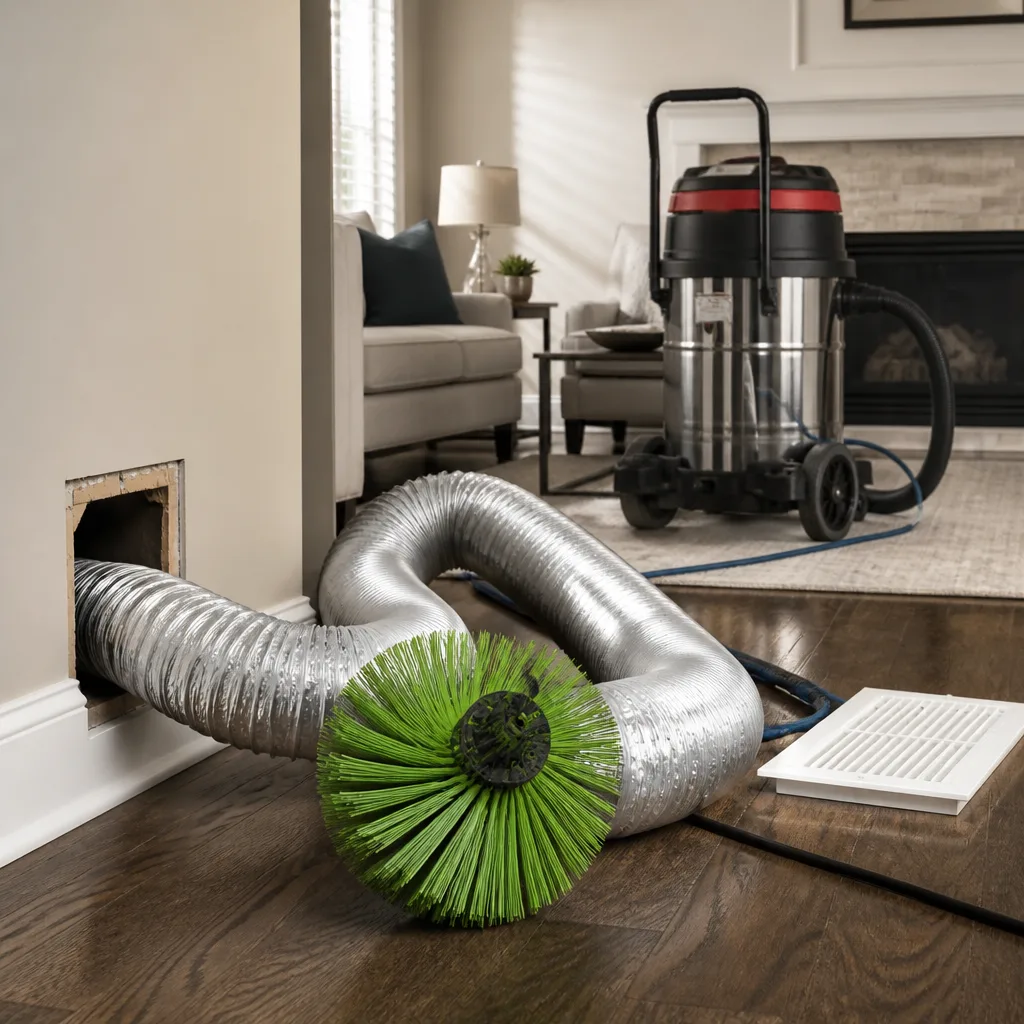 Whole-home duct cleaning
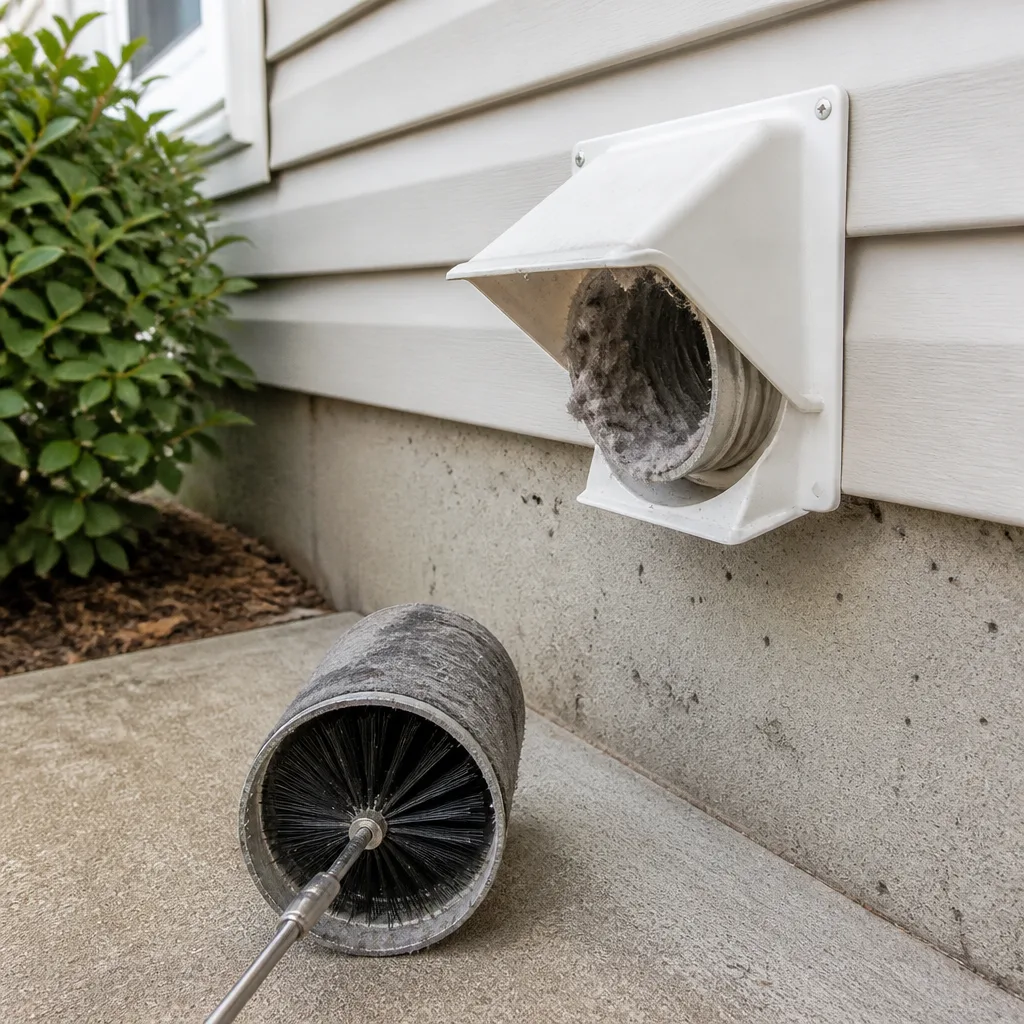 Dryer vent cleaning
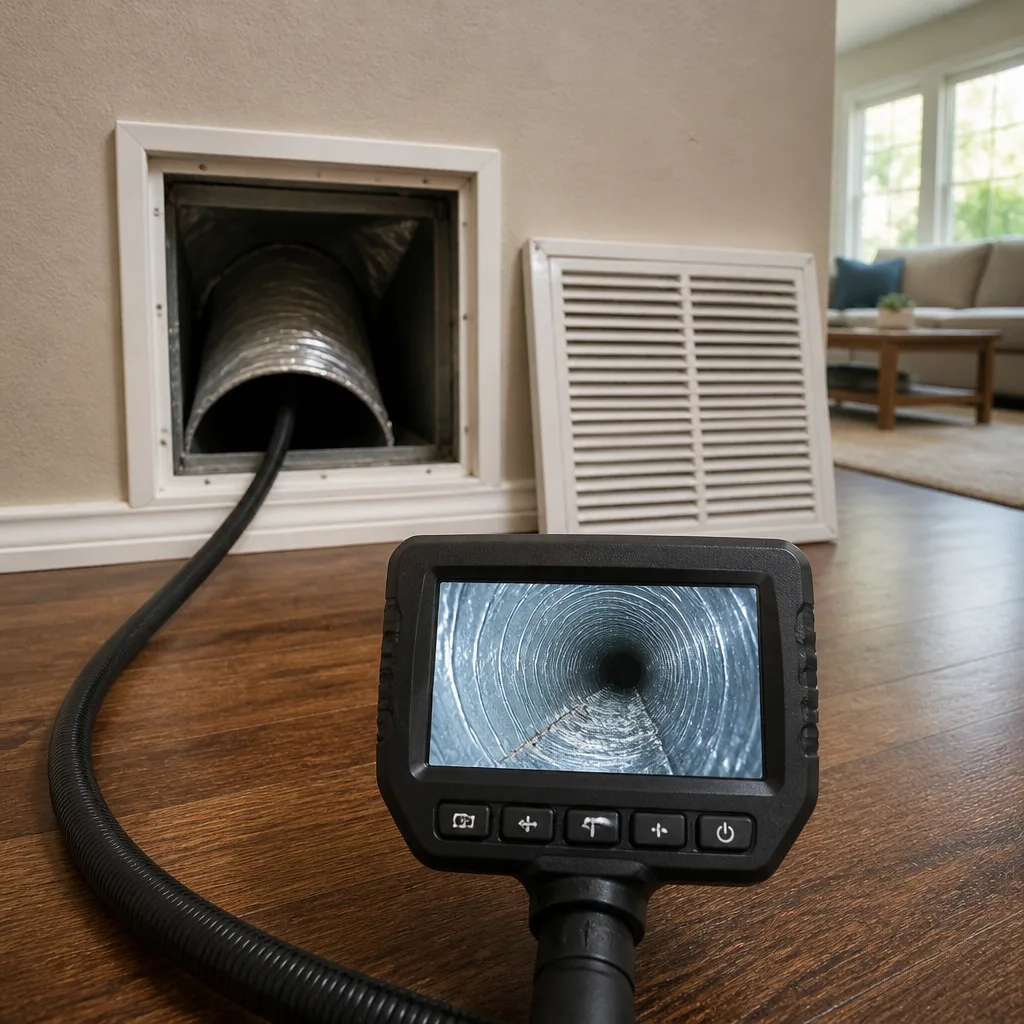 Camera inspection
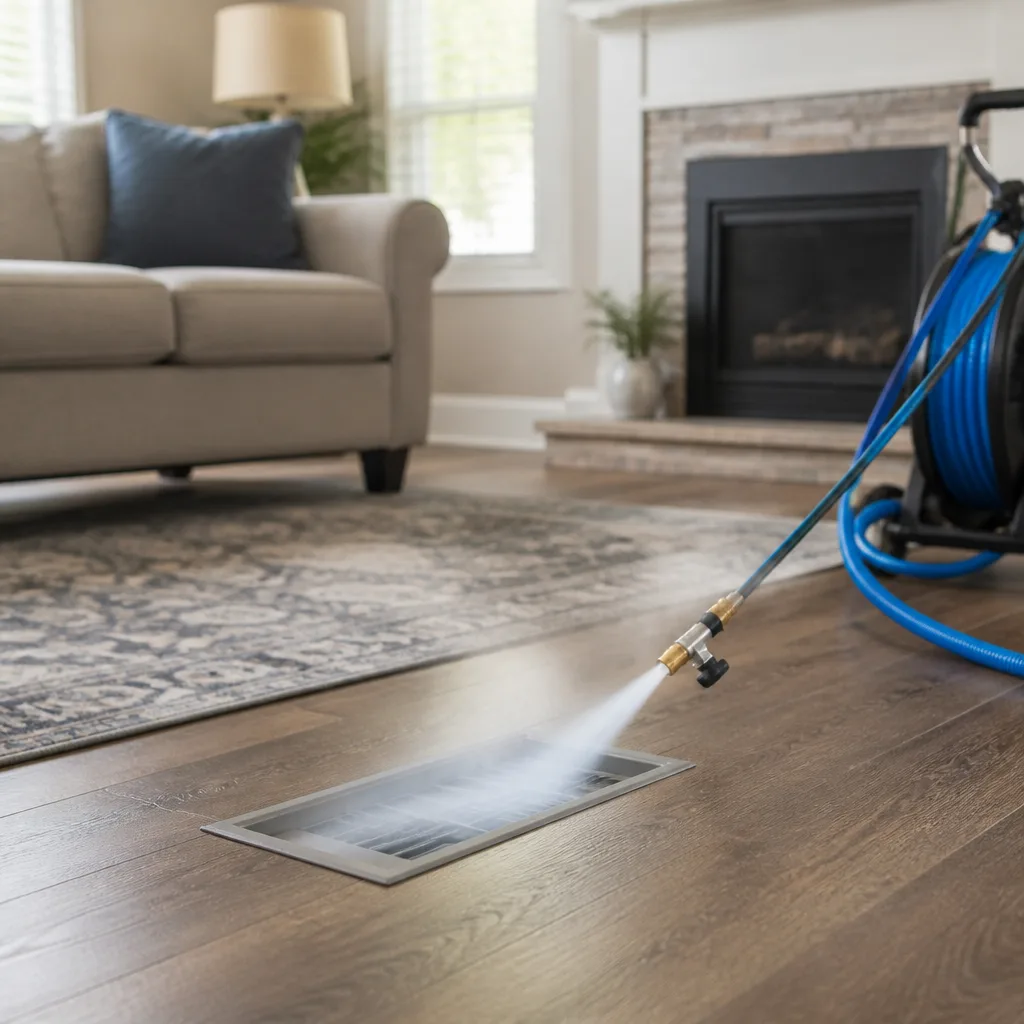 Sanitizing & deodorizing
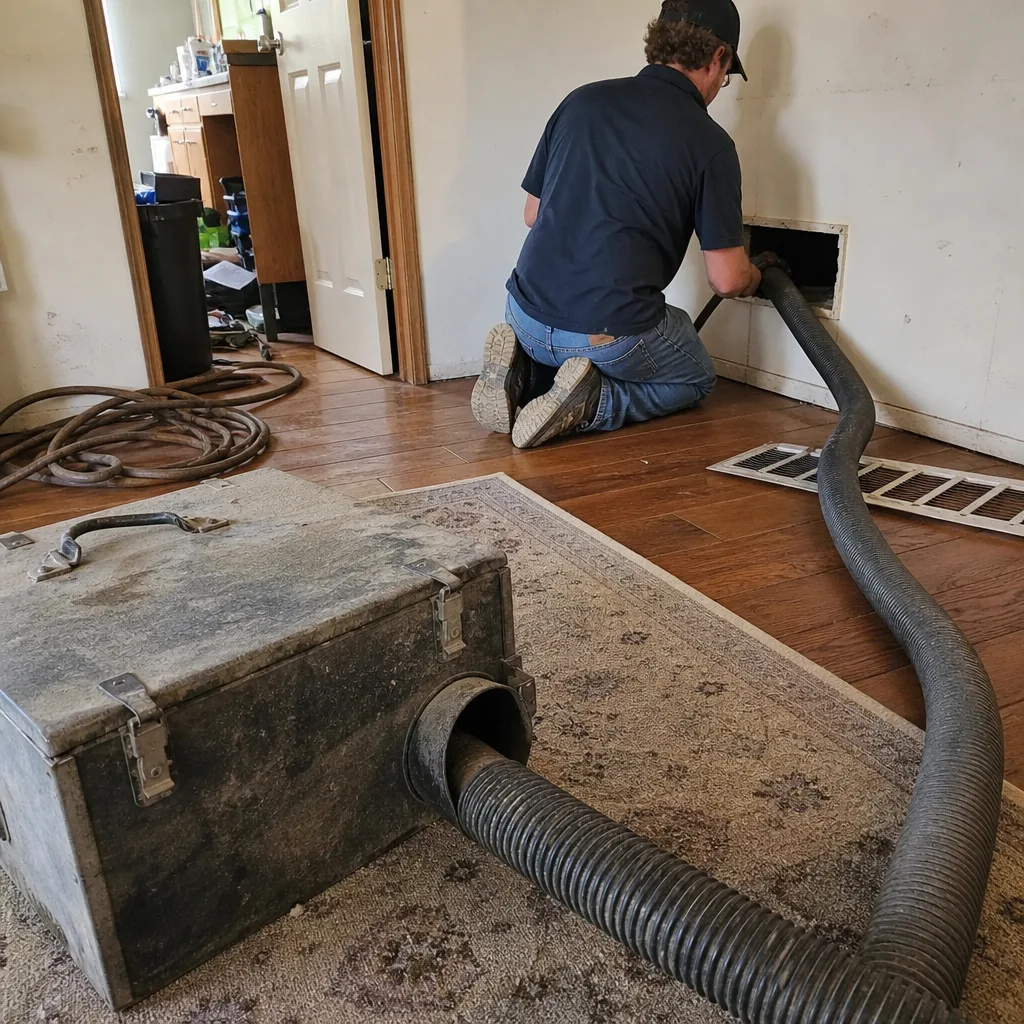
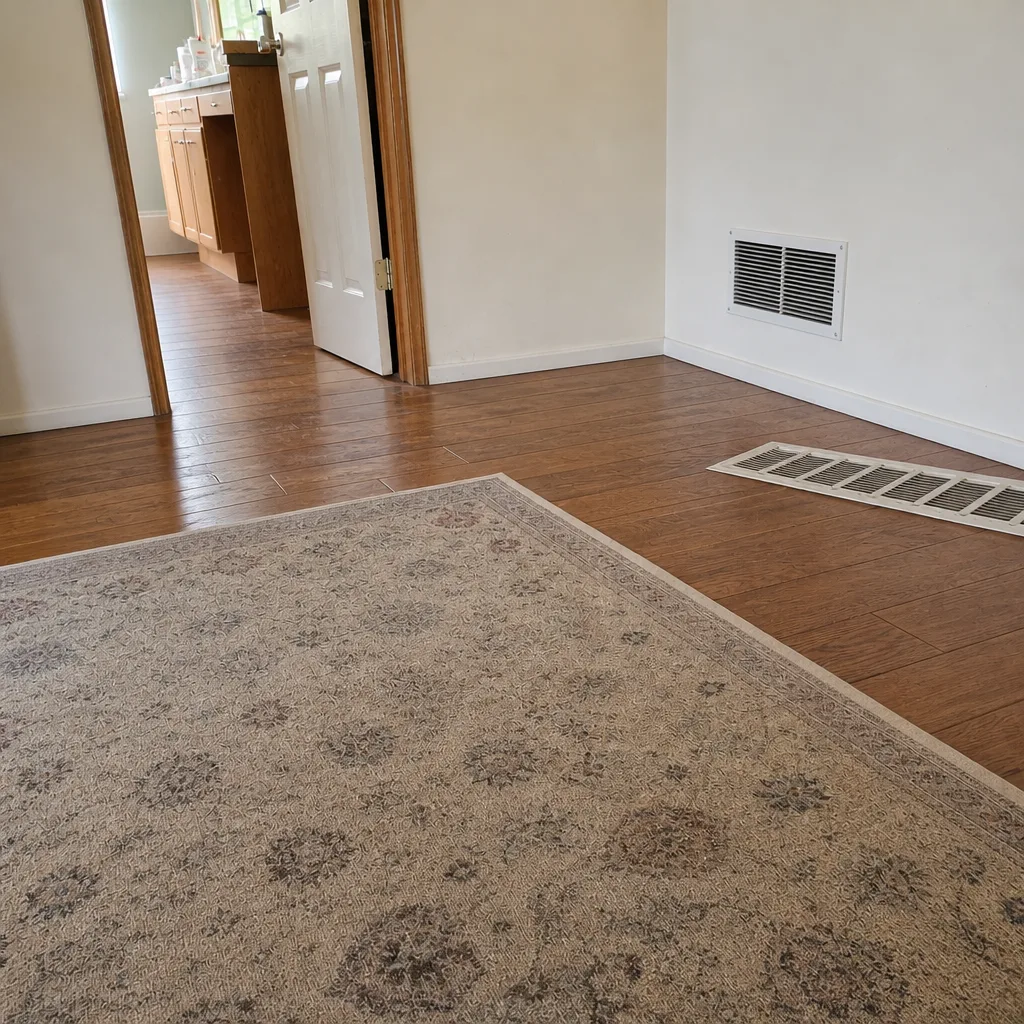
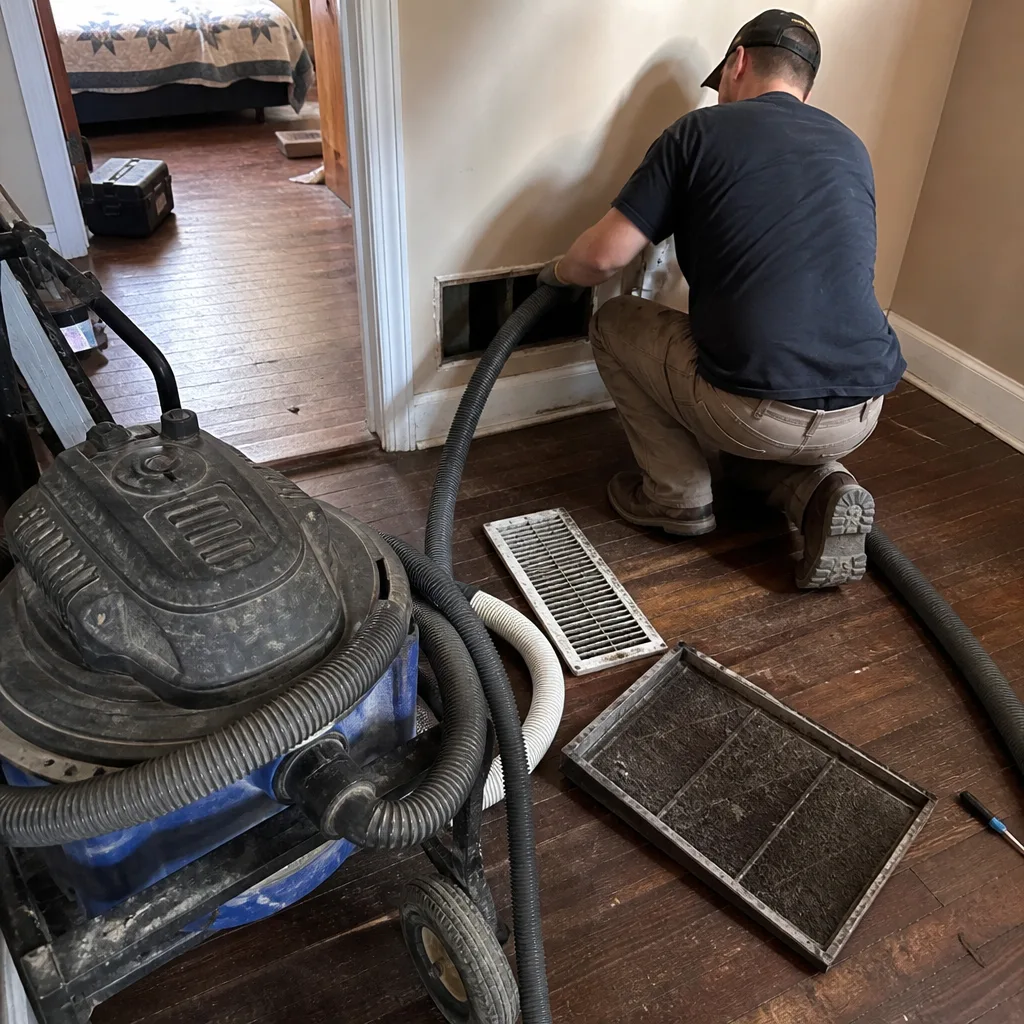
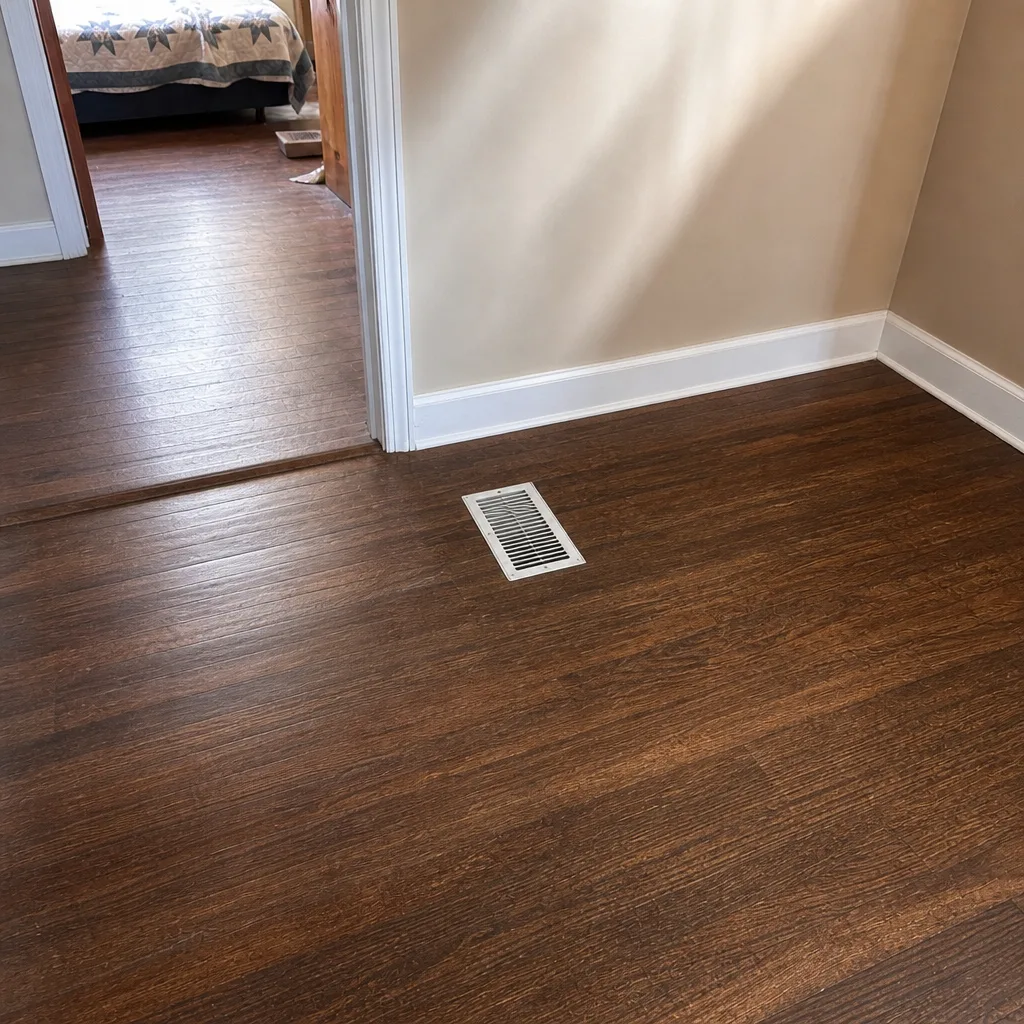
Whole-system duct and dryer vent check with before-and-after photos - you see exactly what came out of your vents
That "$99 whole-house special" is a bait ad - the real number appears once they are in your hallway, or the "clean" is a shop-vac at the register. We photograph the inside of your ducts before and after instead.
Air Duct Cleaning Maintenance Schedule: What to Do and When
Ask five homeowners how often ducts should be cleaned and you’ll get five confident answers, most of them built on a number someone else repeated. The three-to-five-year figure that floats around online actually traces back to a research caveat, not a prescription. It was a rough default offered when almost nothing was known about the specifics of a given house. Your house has specifics. So does Evansville. Pet hair loads, filter grade, renovation dust, allergy season, and the Ohio River valley’s humid summers all bend the schedule in one direction or another. This guide builds a real interval around those variables, explains what you can check yourself between visits, and covers why your dryer vent runs on an entirely separate clock. You’ll finish with a schedule you can actually use.
Quick Answer
Most Evansville homes need professional duct cleaning every three to five years, but that baseline shifts based on four variables: how many pets live in the home, the MERV rating of your filter, recent renovation activity, and household allergy or respiratory load. Homes with several pets, recent drywall work, or a high allergy load often need cleaning every two to three years. Meanwhile, dryer vent cleaning should happen every one to two years regardless of your HVAC duct schedule, because lint accumulation is a fire risk that builds on a much faster timeline.
Styles & brands we work with
- Whole-home duct cleaning
- Dryer vent cleaning
- Camera inspection
- Sanitizing & deodorizing
Table of Contents
- Why the Three-to-Five-Year Rule Is a Starting Point, Not a Rule
- The Four Variables That Set Your Actual Interval
- Evansville’s Summer Humidity and What It Does Inside Your Ducts
- What to Do Between Professional Cleanings
- The Post-Cooling-Season Inspection: A Step-by-Step Walkthrough
- Dryer Vent Cleaning: A Separate Schedule Entirely
- How to Document Your Schedule So the Next Technician Isn’t Starting Cold
- Signs Your Interval Was Too Long
Why the Three-to-Five-Year Rule Is a Starting Point, Not a Rule
The three-to-five-year interval didn’t come from a controlled study of homes in a specific climate. It came from a reasonable effort to give people a workable default when the actual answer depends on dozens of factors nobody was measuring. It’s fine as a starting point. It’s a poor ending point.
Think about what happens inside a duct system over time. The supply side carries filtered air, but filters aren’t perfect. The return side carries unfiltered air from your living space, along with whatever that air carries: skin cells, pet dander, cooking particles, dust from the yard, lint from fabrics, and the fine dust kicked up by any construction. That material settles on duct walls because airflow slows near the edges, especially at turns, in the plenum, and inside the long horizontal runs under your floors.
How fast that accumulation becomes a problem depends on four things. Pet count. Filter grade. Renovation activity. Allergy and respiratory load in the home. Two houses on the same street can have wildly different schedules because of those variables alone. We’ve seen homes where five years produced only light settling, and homes where two years left a visible mat of debris on the return-side walls. The difference wasn’t the calendar. It was the inputs.
So the right approach is to start with the baseline and adjust. If you’re a homeowner in Evansville who’s never scheduled a cleaning, three years is a conservative first interval. After the first visit, you’ll have real information: what came out, where it was heaviest, and how your specific system behaves. That’s when the schedule gets personal.
The Four Variables That Set Your Actual Interval
Here’s the framework we use when advising homeowners. Each variable pushes the interval shorter or longer. Add up the shorteners and you’ll land on a real number for your home.
1. Pet Count
- No pets: baseline holds. Three to five years.
- One pet, short hair: shorten to roughly three years.
- Two or more pets, or any long-haired breed: shorten to two to three years. Dander and shed hair travel on airflow and settle in the return system faster than almost any other debris type.
Pet hair doesn’t just sit in the ducts. It grabs other particles, forms clumps, and can slow airflow at the return grilles before it ever reaches the ducts. That initial buildup is what you’ll notice first, uneven airflow at registers and a musty smell when the system kicks on.
2. Filter MERV Rating
The higher the MERV, the more particles the filter catches before they reach the ductwork. A MERV 8 filter captures far less fine material than a MERV 13. That said, a filter rated too high for your blower can restrict airflow, which raises a different problem. The sweet spot is usually MERV 8 to 11 for most residential systems, upgraded only when the blower can handle it. If you’ve been running a low-grade filter for years, your ducts are catching what the filter isn’t, and your interval should shrink by a year.
Whole-home filtration systems like Honeywell and Aprilaire media cabinets typically run MERV 10 to 16 and change the math. With a good cabinet and a fresh filter, ducts catch less debris and the interval can stretch. If you don’t have one, it’s worth discussing with your HVAC contractor whether your system could accommodate one.
3. Recent Renovation
Any drywall sanding, flooring replacement, cabinet installation, or major painting pushes enormous amounts of fine dust into the return system. Even with plastic sheeting and negative air, gypsum dust finds its way in. Standard practice: schedule a duct cleaning within a few months after substantial renovation, then resume your normal interval. Don’t wait three years. Construction dust is fine enough to stay airborne long after the work is done.
4. Allergy and Respiratory Load
If someone in the home has asthma, seasonal allergies, or another respiratory sensitivity, the “clean enough” bar moves. We typically advise those households to run a two-to-three-year interval and to keep the filter changed on a strict schedule. Dust and allergens in the ducts don’t cause allergy, but they keep low-level irritants circulating, and for someone with a low tolerance, that matters.
Evansville’s Summer Humidity and What It Does Inside Your Ducts
This is the factor most cleaning guides skip entirely, and in Evansville it’s a big one. The Ohio River valley’s summers push relative humidity high enough that the duct interior isn’t just a dust-catching surface. It’s a moisture-retaining one.
Here’s what happens. During the cooling season, the supply plenum and the first section of ductwork downstream of the coil are cold. When humid indoor air contacts those cold surfaces, condensation forms. Duct liner, the fibrous acoustic material that lines many systems, absorbs that moisture and holds it. Combine a damp organic surface with settled dust, and you’ve created ideal conditions for microbial growth. That’s the source of the musty smell some Evansville homeowners notice the first time the AC kicks on in June.
The removal of that moisture problem isn’t a cleaning issue alone, but cleaning is the first step. Once microbial growth is established in duct liner, it won’t lift with ordinary brushing. Treatments like Guardsman are designed for exactly that situation, applied after the ducts are cleaned and dried. If you’ve had a persistent musty smell that returns every summer, that’s a signal that the in-between maintenance year needs shortening.
We recommend an inspection at the end of the cooling season, ideally in September or October, after the AC has run hard for four months. Trained technicians have up to 14 years of experience reading duct interiors, and the post-cooling-season inspection is where they find condensation problems early enough to address them before they become an extraction job.
What to Do Between Professional Cleanings
The tasks below won’t replace professional cleaning, but they will meaningfully extend your interval when done consistently. They give you real data instead of vague impressions.
Filter Logging
Keep a note on your phone or a small card taped inside the filter cabinet. Write the date you installed the filter and the MERV rating. When you pull it, write the date you removed it. Within a year you’ll see a pattern: how quickly the filter loads up in summer versus winter, whether pet season hits harder, and whether you need a shorter replacement cycle. Ten seconds of logging per change pays off when you’re deciding whether to push the ducts another year.
Register Wipe-Downs
Every three months, remove the floor and wall registers and wipe down the inside surfaces with a damp cloth. Look at what collects on the cloth. Fine gray dust is normal. Sticky brown residue or a visible film suggests moisture problems upstream. A mat of dark fibers suggests the ducts themselves are releasing material, and it’s time to call.
Phone-Camera Visual Checks
Turn off the system. Remove a return register. Shine a phone flashlight into the duct and take a photo. Compare photos year over year. You’re looking for a uniform light coat of dust (normal) versus visible matting, debris clumps, or dark patches that grow between inspections. This check takes three minutes and gives you a baseline that a cleaning technician can review with you.
Airflow Sanity Checks
Hold a tissue at each supply register while the system runs. The tissue should flutter strongly. Any register that flutters weakly or not at all is either a design issue, a closed damper, or a partial block. Note which registers are weak and check again in a month. Consistent weakness is worth a professional look before it becomes a compressor problem.
The Post-Cooling-Season Inspection: A Step-by-Step Walkthrough
Once the cooling season winds down, usually by mid-October in Evansville, the duct system has been through four months of the worst humidity it will see. This is the most informative time of year to inspect. Here’s how the process goes when we’re on site.
- Visual walk-through. Identify every register, return, and the air handler location. Note any that are blocked by furniture or have deflectors that aren’t doing their job.
- Return-side inspection. The return plenum is often the dirtiest point in the system because it carries unfiltered air. Look for debris mats, moisture staining on liner, and visible microbial growth.
- Liner check. Where the supply duct is lined, examine the liner for absorption and staining. Damp liner is the primary humidity signal in Evansville homes.
- Coil look. The evaporator coil sits downstream of the filter and upstream of the ductwork. A dirty coil restricts airflow and increases condensation. If it’s fouled, cleaning it is part of the value of the visit.
- Filter cabinet condition. Check that the filter fits properly and seals at the edges. A bypassing filter lets unfiltered air past, shortening the interval regardless of the rated MERV.
- Photo documentation. Before-and-after photos of your own ducts, taken during the visit, give you a verifiable record that the work happened and what it accomplished.
The right equipment for that visit matters. A shop vac and a hose won’t lift debris matted to a return plenum, and it certainly won’t address microbial concerns. The Rotobrush system, Nikro tools, and Abatement Technologies equipment we bring are matched to the system we’re working on. Abatement Technologies in particular brings containment-level care, the same negative-air and HEPA-filtration standard used in professional remediation work, which is what you want when there’s any question of biological material in the ducts.
Dryer Vent Cleaning: A Separate Schedule Entirely
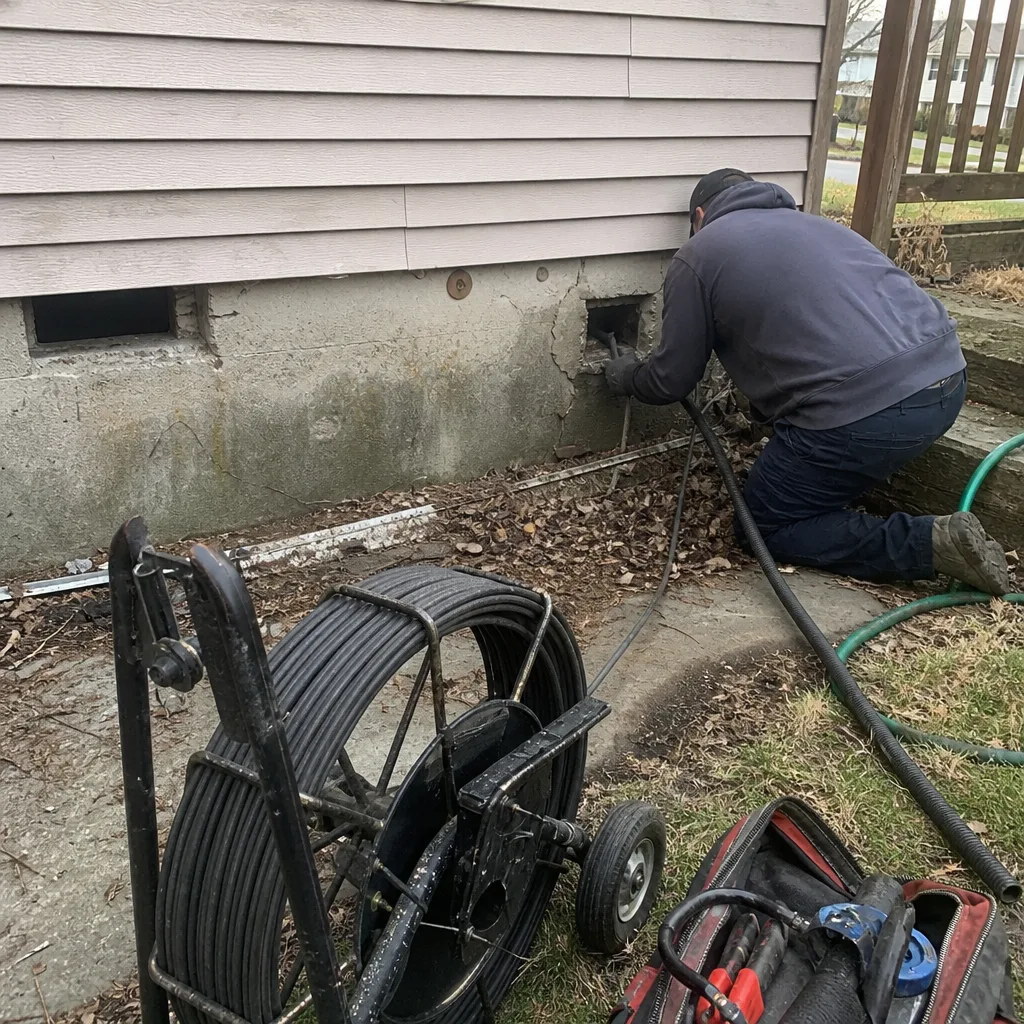
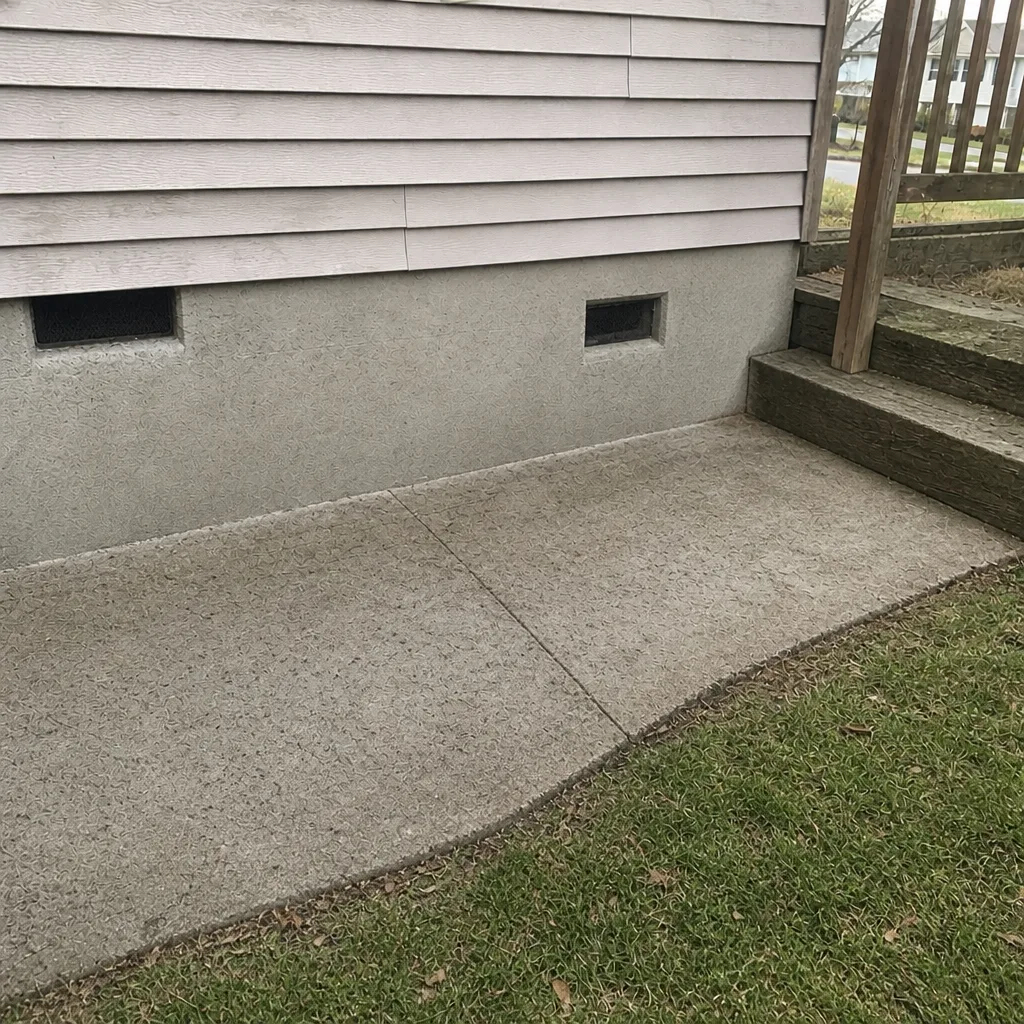
Every homeowner who learns that dryer vent cleaning runs on its own schedule is surprised, and then relieved that it’s usually simpler than the duct schedule. The dryer vent doesn’t share the HVAC duct system at all. It’s a short exhaust run from the dryer to the exterior wall, and it collects lint every time the dryer runs.
Lint accumulation is a fire risk, not an air-quality issue. The standard interval is once a year for a typical household. Shorten it in these situations:
- Multiple loads per week: every six months.
- Long duct runs or multiple 90-degree turns: every six months, since lint catches at each bend.
- Flexible foil or vinyl duct: every six months at minimum, and consider replacing with rigid metal duct when possible.
- Pets in the home: pet hair passes through screens and joins the lint load. Shorten the interval by a few months.
- Slow drying times or a hot dryer top: clean now, before the next cycle.
Evansville’s humid summers are also hard on dryer efficiency. A clogged vent means the dryer works harder, longer, and hotter to remove moisture that isn’t leaving through the vent. In August, that’s a lot of unnecessary cycle time. The dryer vent cleaning service is one of our three core offerings, and we treat it as the safety service it is rather than an add-on.
Real-world note: if you can’t remember the last time the dryer vent was cleaned, that’s your answer. Clean it now, then start the annual clock.
How to Document Your Schedule So the Next Technician Isn’t Starting Cold
The single most useful thing you can hand the next technician is a simple record of what was done, when, and what they saw. Most homes have none of that, so every visit starts from zero.
What to Record
- Date of last professional cleaning for both HVAC ducts and dryer vent. Two separate dates, not one.
- What was cleaned: supply, return, dryer vent, coil, or any subset.
- What was found: any visible microbial growth, moisture staining, pest activity, or damaged liner.
- Filter replacement dates and MERV ratings for the past two years, from your filter log.
- Any repairs done or recommended during the visit, especially ducts that were repaired vs. flagged for later.
- Photos from before and after, kept in a folder on your phone or a file in the cloud.
Why It Matters
If your previous cleaner found moisture in the supply liner and treated it, the next technician needs to know that. If a section of flex duct was replaced and another section was flagged, that contextualizes the inspection. If a family member developed asthma last year, that changes the interval recommendation. The record tells the story the ducts can’t tell on their own.
When the record is solid, an air duct cleaning visit is more diagnostic than it is routine maintenance. That’s a better use of everyone’s time. We always ask for whatever records exist when we schedule a visit, and if there’s no record, we take it into account and start with the most conservative inspection approach.
Signs Your Interval Was Too Long
The best schedule is one that fires before problems surface. But sometimes a year or two slips by, and it helps to know what the warning signs look like. Here’s what to watch for, in order of urgency.
- Musty smell when the HVAC starts. That first-cycle smell is often liner moisture and microbial activity. Not an emergency, but not something to leave for another year either.
- Visible debris on register faces. If you’re wiping dark mats off registers every few weeks, the ducts are actively releasing material.
- Unexplained allergy flare-ups indoors. If symptoms spike when the system is running and settle when it’s off, the filtration and duct load are part of the picture.
- Uneven airflow between rooms. Could be a closed damper, could be obstruction. Worth a look either way.
- Recent renovation dust. Any drywall, flooring, or cabinet work in the last six months means you’re due sooner than the calendar says.
- Dryer taking longer to dry clothes. Clean or replace the vent run. This one is on a different clock, covered earlier.
If two or more of those apply, don’t wait for the next scheduled year. A visit now usually finds the problem small. By the time a homeowner calls with a musty smell plus uneven airflow plus three years since the last cleaning, we’re usually doing repair work alongside the cleaning. In our experience, the homeowner who runs a two-to-three-year interval for a multi-pet home spends less over a decade than the homeowner who runs a five-year interval in the same home and adds a repair every other cycle.
One more sign deserves its own mention: any visible debris or debris-colored stain near the air handler. That area is often overlooked because it’s in a closet or basement, but the air handler and plenum are where most systems show problems first.
Common Mistakes to Avoid
- Treating the three-to-five-year rule as set in stone. The rule is a starting point. Your variables, not the calendar, decide the real interval. Two Evansville homes on the same street can have a two-year gap between their right answers.
- Going years without looking at a return register. The return side carries unfiltered air. If you’re not checking it, you’re missing the earliest signal of buildup.
- Using a filter that’s too cheap or too high. Low-MERV filters let fine dust into the ducts. Extremely high-MERV filters on an undersized blower restrict airflow and can cause coil issues. Match the filter to the system.
- Skipping dryer vent cleaning entirely. It’s easy to forget because the dryer usually still works. Slow drying and a hot dryer top are late-stage signals of a lint problem, not early ones.
- Believing a cheap cleaning coupon. A rock-bottom price usually means the work is minimal: a quick pass with a shop vac and no containment. Real cleaning includes containment, HEPA filtration, and before-and-after documentation.
- Waiting for a smoky or musty smell before scheduling. By the time you smell it, the problem is often visible on the liner. Earlier inspections catch it as staining.
- Not keeping any record. If you can’t tell the next technician when the ducts were last cleaned or what was found, they start from zero. Every visit is better with prior context.
- Assuming a general HVAC tune-up covers the ducts. It doesn’t. A tune-up checks the equipment. Duct cleaning is a different job with different equipment, and most generalists don’t bring the equipment needed for a real cleaning.
See the difference
 Before
 After
 Before
 After
 Before
 After
When to Call a Professional
A cleaning schedule is a good habit, but there are moments when you should call before the calendar tells you to. If you smell a musty odor when the system starts, if you see visible debris or microbial growth on a return register or plenum, if you’ve just finished a substantial renovation, or if someone in the home has developed new respiratory sensitivity, those are all signals to schedule a visit. The same goes for any dryer that’s taking longer to dry clothes or showing heat at the top. Evansville Duct Cleaning offers free estimates in Evansville and coordinates with existing whole-home filtration and air-quality setups from brands like Honeywell, Aprilaire, and Guardsman. Call (833) 725-5641. We answer 24/7. Fast dispatch from 7am to 7pm, Sunday through Friday.
Frequently Asked Questions
Most Evansville homes need professional cleaning every three to five years, but the right interval for your house depends on pet count, filter grade, renovation activity, and allergy load. Homes with two or more pets or recent drywall work often need cleaning every two to three years. The baseline isn’t a rule; it’s a starting point you adjust after the first professional visit. Call (833) 725-5641 for a free estimate and a recommended interval for your specific home.
Yes, and more than most homeowners realize. The Ohio River valley’s humid summers cause condensation on cold supply-side ductwork, and that moisture can soak into duct liner. Damp liner plus settled dust is ideal for microbial growth, which is what produces the recurring musty smell some homeowners notice each summer. A post-cooling-season inspection in September or October catches liner moisture early, before it becomes a treatment job.
No, the two run on completely different clocks. Dryer vent cleaning is typically needed once a year, or every six months for households running multiple loads per week, homes with long duct runs, or homes with pets. It addresses a fire-safety risk entirely separate from the HVAC duct system. If you can’t remember the last time your dryer vent was cleaned, treat it as overdue. Call (833) 725-5641 for an exact quote, and estimates are free.
You can meaningfully extend your professional interval with four habits: log every filter change with the date and MERV rating, wipe down register interiors quarterly, take phone-camera photos inside a return duct once a year, and check airflow at each supply register with a tissue. None of these replace a professional cleaning, but they give you real data on what’s happening inside the system and help you spot a problem before it’s visible from a register.
Inexpensive quotes usually skip the parts of the job that matter: containment to keep debris out of the living space, HEPA filtration to protect the air in the home, and photo documentation to prove what was actually done. A shop vac and a long hose can connect to a duct, but it won’t lift matted debris or handle biological concerns. Professional-grade equipment from Rotobrush, Nikro, and Abatement Technologies, matched to the system being cleaned, is what separates a real cleaning from a quick pass. Call (833) 725-5641 for a free estimate.
Before-and-after photos of your own ducts, taken during the visit, give you a verifiable record. Ask any company to show you photos of the return plenum and the supply ducts they cleaned, and to write down what they found, including any moisture, microbial growth, or damaged liner. A company that can’t produce that documentation for your specific home hasn’t given you a real record of the work.
For two or more pets, or any long-haired breed, plan on every two to three years rather than three to five. Pet dander and shed hair travel on airflow and settle in the return system faster than almost any other debris type. A house with a single short-haired pet can usually hold closer to the baseline interval. Call (833) 725-5641 for a free estimate tailored to your household.
The Bottom Line
The three-to-five-year rule is a useful starting point but not a universal prescription. Your actual interval is set by pet count, filter MERV rating, renovation activity, and allergy load, and each of those shortens or extends the baseline in a predictable direction. Evansville’s humid summers add a fifth variable that most guides miss: condensation on cold supply-side ducts can soak into liner and set up microbial growth, which is why a post-cooling-season inspection in September or October is worth making a permanent habit. Dryer vent cleaning runs on a separate, faster clock, once a year for most homes and every six months for many. Log your filter changes, wipe your registers, take photos, and keep a record. That record is what makes the next visit efficient instead of exploratory. For a free estimate and an interval recommendation built around your home, call Evansville Duct Cleaning at (833) 725-5641. We answer 24/7. Fast dispatch from 7am to 7pm, Sunday through Friday. One flat price per system, before-and-after photos of your own ducts, and a written estimate before any work starts.
Written by the team at Evansville Duct Cleaning.